
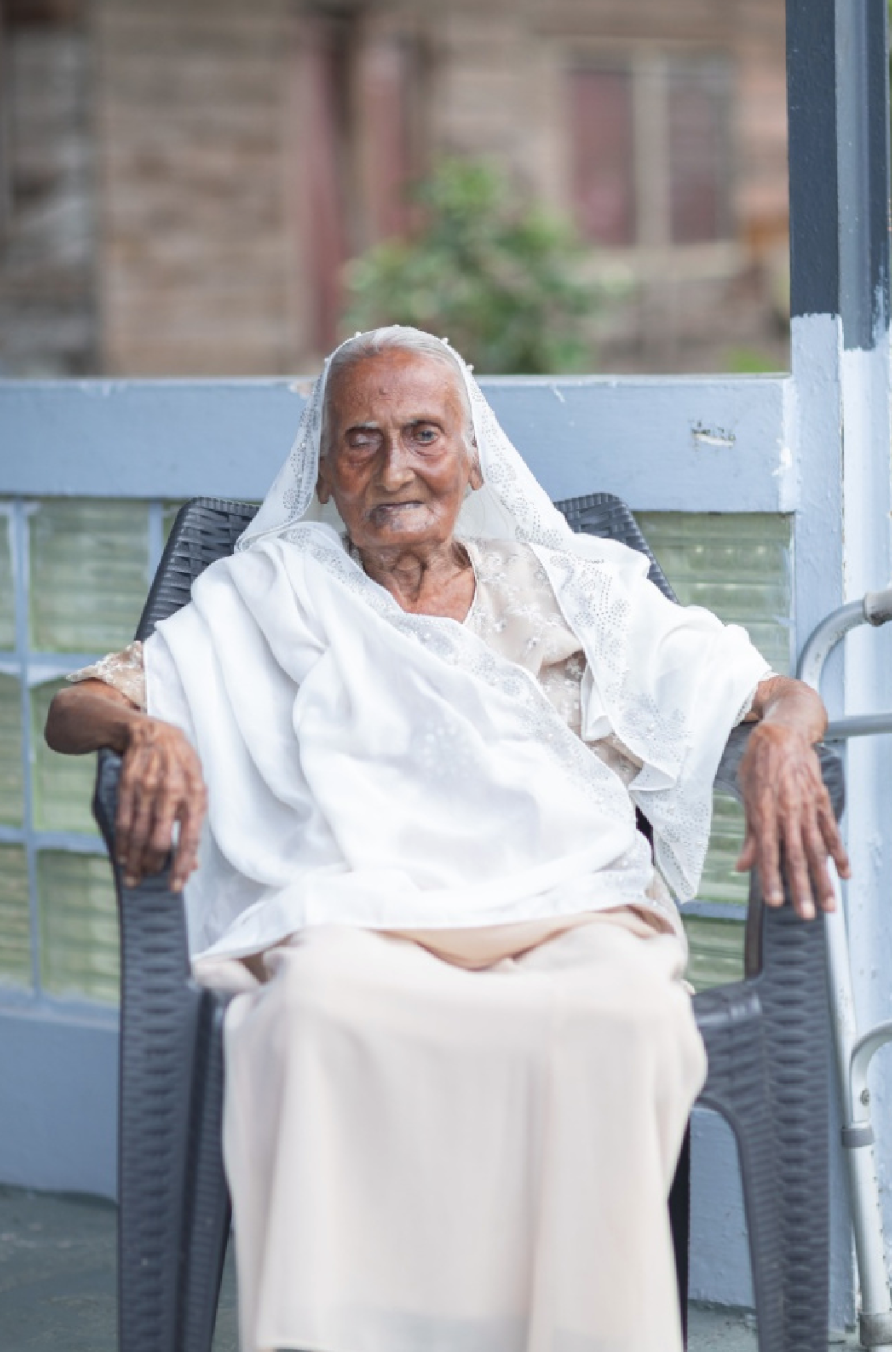
Samdaye Ragoo known as Bitnee Mousie Many of the women I spoke to shared the same foundation. Hard work in the fields, raising children, carrying the weight of daily life. Hardship was constant, and survival was the thread that connected them all. But Bitnee Mousie’s story held something more, something heavier that stayed with me. Her mother was taken from India, not by choice. She had been married into a family where she was not treated well by her husband, and one day, she ran. She did not hesitate. She kept going until she reached a ship. They hid her, lowering her out of sight so no one could see her. It was an act of urgency, of fear, and of survival. Her father in law came searching for her. He found a ship and asked if anyone had seen her. He moved through it, looking, calling, trying to bring her back. But every time he got close, she was moved. When he went to the top, they sent her to the bottom. When he went to the bottom, they brought her back up. This continued, back and forth, just out of reach. He never found her. And a ship left India without her ever being found. When she arrived in Trinidad, she was paired with a man. It was not her choice. It was something decided for her, a forced partnership that became her life. From that, children were born and a family began. What stays with me is how rarely stories like this are told. Not just the labor, but the control, the fear, and the strength it took to survive it. Bitnee Mousie’s story is one of those stories that changes how you understand everything that came after.
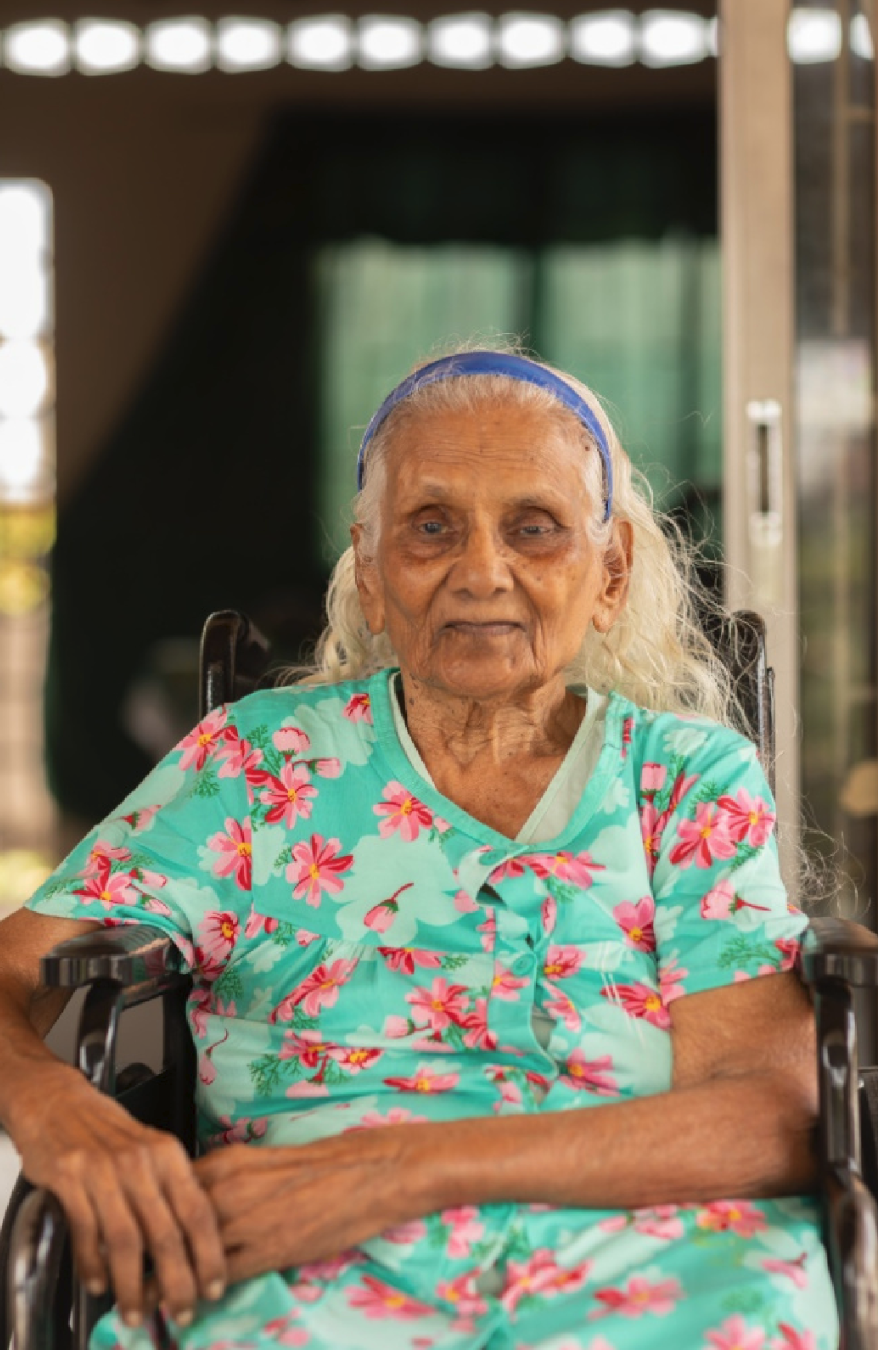
Ameeran Mohammed Ameeran Mohammed’s life reflects a quiet strength shaped by tradition, limitation, and deep community care. Growing up in Orange Field as one of nine siblings, she was part of a large, layered family where stories of adoption and kinship were woven into everyday life. Her mother had been adopted, and one of her brothers was raised by their grandfather. Within this home, gender roles were clearly defined. While her brothers were given the opportunity to attend secondary school, Ameeran and her sisters were not, despite her strong desire to continue her education. She carried that disappointment with her, a quiet but defining moment that shaped how she understood opportunity, fairness, and her place in the world. Raised in a Muslim household, her father worked as a barber and her mother, who spoke Hindi fluently, had embraced Islam and passed down its values through both language and practice. These cultural and spiritual foundations became central to Ameeran’s identity. Like many girls of her time, her formal education ended early, around primary school, and she stepped fully into domestic responsibility. Cooking for her siblings, helping to maintain the home, and supporting the family in whatever ways were needed. Yet Ameeran’s world extended far beyond the home. She became deeply involved with the masjid, not just as a place of worship, but as a space of learning and connection. There, she dedicated herself to helping other women, sharing knowledge, offering guidance, and creating opportunities for education in ways she herself had been denied. Married for 24 years, she built a life rooted in family, faith, and service, carrying forward traditions while also quietly reshaping them. Now, in her later years alongside siblings who have lived into their 80s and 90s Ameeran’s story stands as a testament to a generation of Indo-Trinidadian women whose contributions were often unseen but deeply felt. Through resilience, faith, and care for others, she transformed limitation into purpose, leaving behind not just memories, but a legacy of strength, community, and enduring cultural identity.
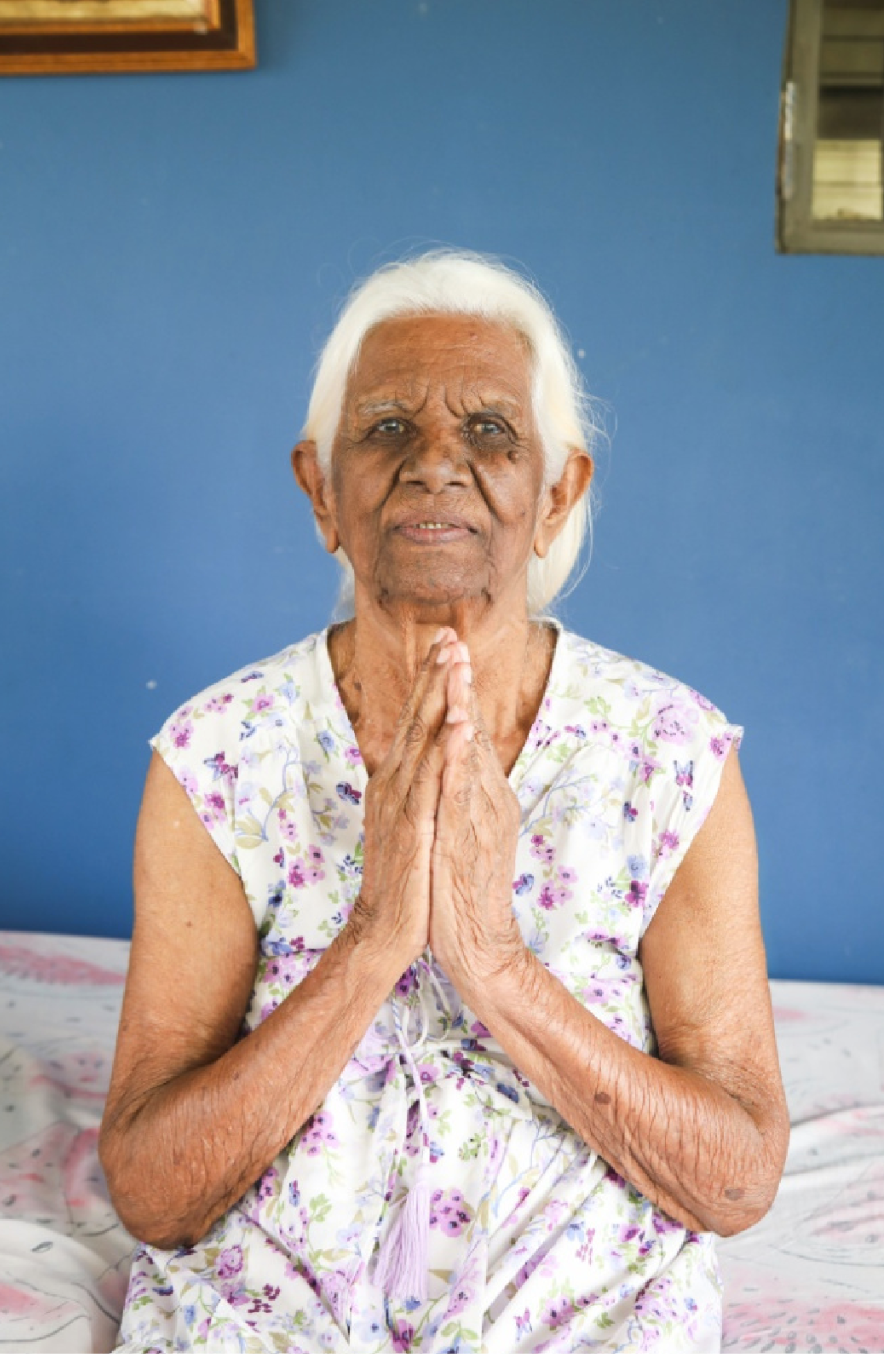
Rosey Ramdeo Rosey Ramdeo was born in Claxton Bay, the same place I grew up, though she shared that for much of her life, she didn’t even know it. Official records list her birth as June 30, 1927, but her family believes she is older, as her birth was registered years later. In her early childhood, her parents moved the family to San Juan in search of work during the construction of the Churchill Roosevelt Highway. There is a personal connection here for me as well—my nanny, my mother’s mother, is also from Tulsa Trace, the very place Rosey would later call home. At fifteen, Rosey entered an arranged marriage and moved to Tulsa Trace in Penal, into her husband’s family home. Life there was strict and shaped by the expectations of the time. She recalled not being able to move freely or speak openly. Yet within those constraints, she built a life defined by relentless hard work. She raised ten children while laboring in the rice fields from morning until night, often standing in water all day, then returning home to cook for her family. She described days that did not end—where even eating came late, sometimes after long journeys tied to the train routes that once ran through Trinidad, traveling as far as Siparia and back before nightfall. Those trains, now gone, were part of the rhythm of her life and labor. Even after childbirth, she allowed herself little time to recover, returning quickly to work out of necessity, leaving her young children behind so she could provide. She worked the land, raised cattle, and carried a workload she described as heavier than many of the men around her. She spoke vividly about the rice harvest—cutting, drying, curing, and preparing it for the mill. There were times when the yield was so great that there was no space to contain it, rice filling the house and open gallery, piled as high as her waist. It was a kind of abundance she had never seen before, and one that required just as much labor to manage as it did to produce. Her life was also marked by moments of silence, where her voice was not always heard. She spoke of decisions made around her—her cattle sold, land exchanged for cocoa estates, homes and rice lands given up—while she felt unable to speak between others. Still, she endured, adapting to each change while continuing to provide for her family. Beyond her home, Rosey became a quiet but essential figure in her community. Following her mother’s example, she practiced traditional midwifery, caring for women and newborns in a time when most births took place at home. She massaged mothers, treated babies, and supported families through some of their most vulnerable moments. There is hardly a household in her village that was not touched by her care. Today, Rosey’s story stands as a powerful reflection of a generation of women whose lives were built on endurance, sacrifice, and service. Through long days in the fields, journeys shaped by now-vanished train lines, and a lifetime of caring for others, she created a legacy that continues to live on through the many lives she nurtured.
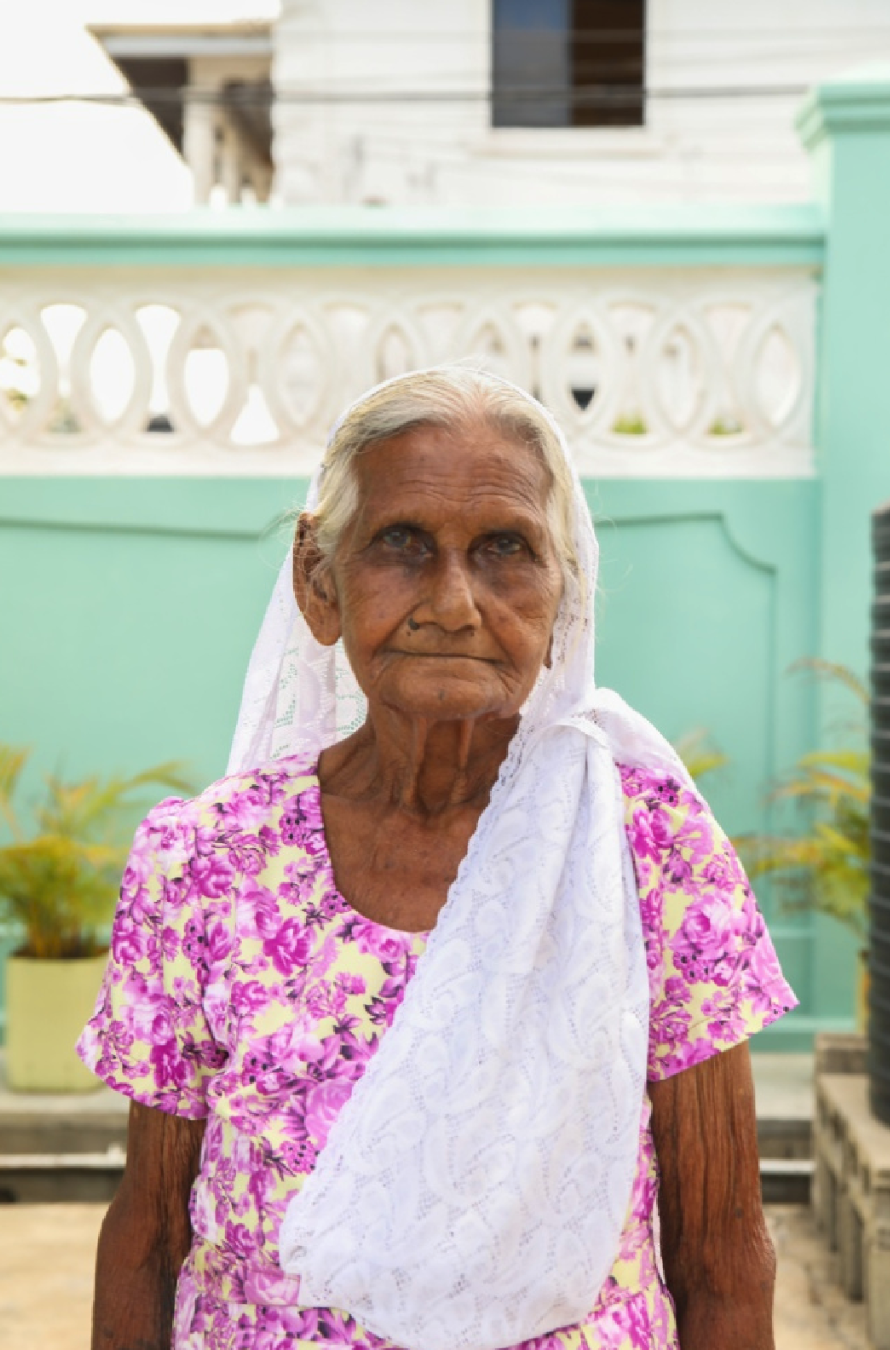
Pottyia Mahadeo Pottyia Mahadeo reminded me of my nani. She had a sharp sense of humor, the kind that made you feel both comforted and corrected at the same time. She spoke Hindi with ease, holding on to a language that carried memory and tradition. But more than anything, she held on to values. Women were not to wear pants. Only dress or sari. There was a way you were expected to carry yourself, a way to show respect. A son in law was not to be treated casually. A mother in law and father in law held a place that had to be honored. Her life was shaped by hard work from the very beginning. She was married at nine years old. A child, entering a life of responsibility. There was no ease in how she grew up. Water had to be carried by going down seven steps into a well. Land had to be worked. Her family planted, harvested, and sold what they grew. Watermelon, cocoa, coffee. They would load trucks and travel from the south to Port of Spain to sell in the city. This was labor that required everyone. As children, she and her siblings cleaned the murti in the temple, something she kept returning to in her stories. It clearly stayed with her. The temple was not just a place, it was part of her foundation. Her family had land across different areas, and her father had cattle. There were many siblings, and life was full, but never easy. Even in the small moments she shared, you could feel what it took to live that life. She laughed as she told certain stories now, but you could sense what was underneath. She once hid in a barrel when her husband came looking for her. Today it can be told with humor, but it came from something real. She also carried stories from before Trinidad. Her ajee came from India under promises of a better life, a new beginning. But like many, that promise was not simple. Once they came, going back was not easy, and for most, it never happened. That journey, that rupture, lived quietly in the background of everything that followed. Despite everything, she held on to joy. She loved to sing bhajans. She took pride in dressing well for temple. She kept a garden and even made her own saris. Fashion mattered to her. Despite all the hard work, those rare moments to dress up gave her a sense of joy and pride.There was pride in how she lived, in how she carried herself. Her story, like so many others, is rooted in indentureship, in labor, in survival. But it is also about what was preserved through it all.
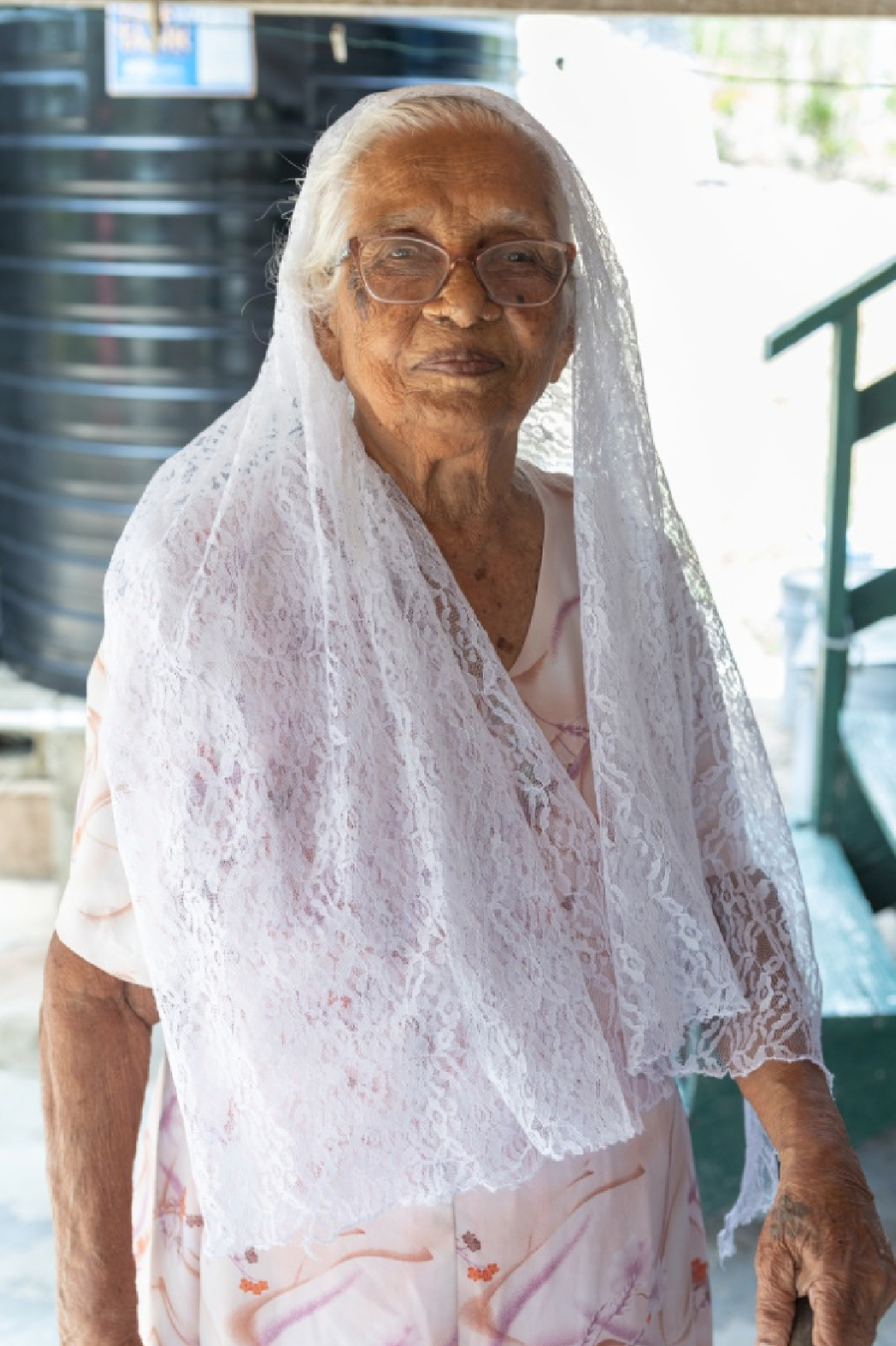
Basso Ajodha There was another woman they called Mousie. Like the others, her life was rooted in hard work in the fields. She spoke about planting and selling her crops to people nearby, mostly rice, though she said now no one really does that anymore. She told me how long she had to walk, how hard she had to work just to maintain her garden. Like all the women, she repeated it in her own way, that long ago they had to work really, really hard. Even without being able to read or write, she made sure her children got an education, something she did not have but deeply valued. There was a warmth to her that made everything feel open. She showed me her tattoos, telling me how she chose them from a book, each one a quiet decision she made for herself. She smiled as she demonstrated how to wrap her Orhni, folding it with care and intention. In those moments, you could see both her strength and her pride. Not just in the work she had done, but in what she carried forward and what she made sure would continue beyond her.
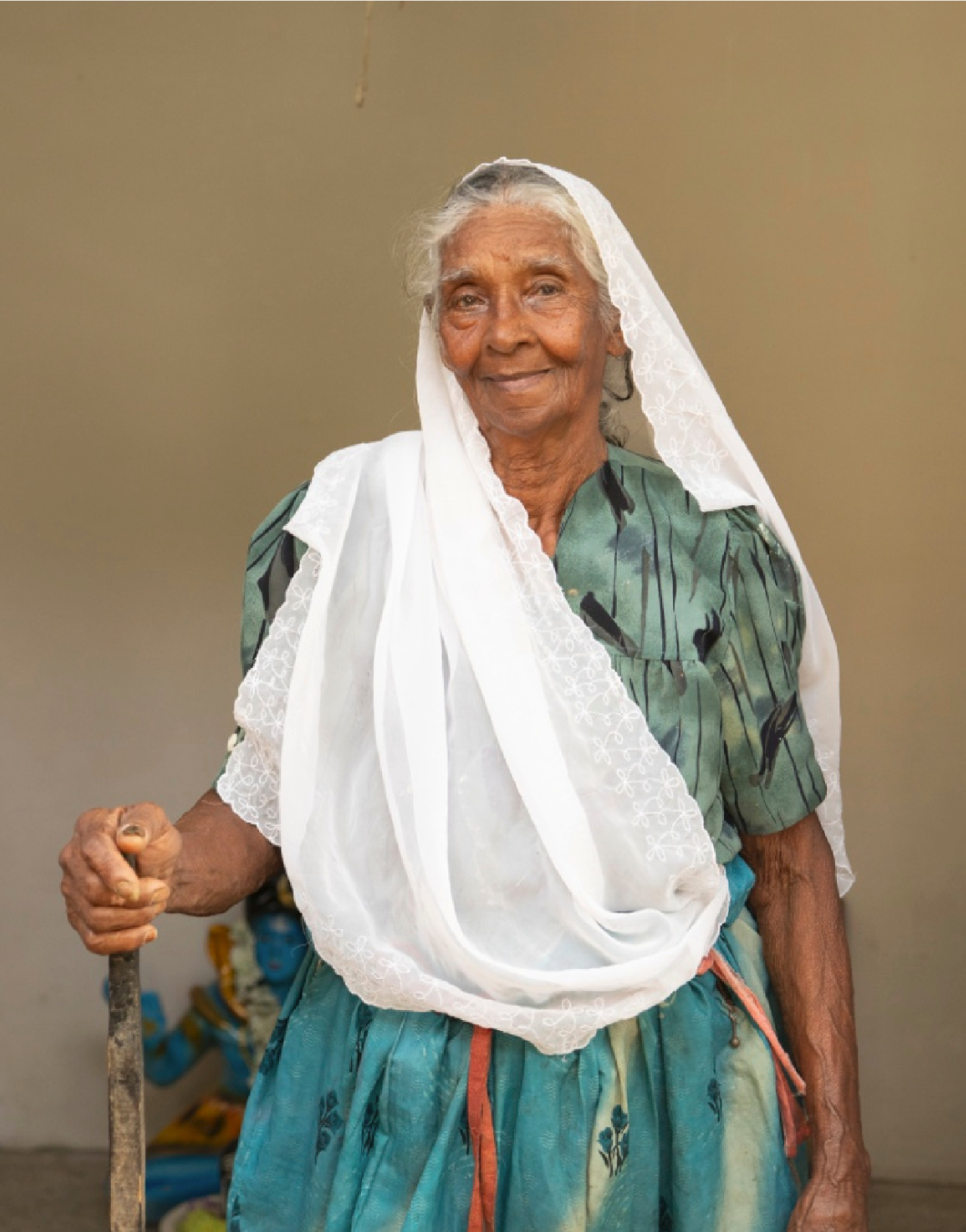
Ramrajie Ramsawak She reminded me most of my Aji. The way she spoke, the sound of her voice, her dialect. It is something you do not hear much anymore, something that feels like it will disappear with this generation. It was a way of speaking shaped over time, the last traces of something slowly becoming what we now call the Trinidadian language. Ramrajie was the first woman I had the honor of meeting. The moment I saw her, it felt familiar. She carried the presence of my grandmothers, the height and build of my nani and the spirit of my ajee. She had a dog named Whitey, which brought me right back to childhood, when dogs were simply named by their color. My nani always had a dog named Rover by her side, and my ajee loved any animal that came near her. She lived alone in a home she and her husband built over the years. She was 103 and still walked up and down the second floor. Like many Caribbean homes, the upstairs was where you lived and the downstairs was for gathering. She welcomed me in right away. There was a warmth to her, a quiet longing for company that I could feel the moment I stepped inside. I saw my ajee in her immediately. Like many of the women, the first thing she spoke about was hard work. It came before anything else. Her mother passed away when she was young, and she was raised by a stepmother who was not kind. Her life was not easy, and in many ways, it never became easy. She told me how she would go into the cane fields with her children, sometimes strapping them onto her body while she worked, other times placing them in a box nearby as she cut cane. She also spoke about being beaten by who she described as a master, a white man, if she did not work fast enough. Hearing that stayed with me. I had always understood indentureship as hard labor, but I did not fully grasp that there were moments where violence like that still existed. It shifted something in me. Ramrajie stayed with me in a deeper way. I found myself going back to visit her, not always to photograph, but just to sit with her, to talk, to check in. There was a loneliness there, and I felt drawn to her. She shared a lot with me, but I also carry a responsibility to protect what was given in trust. There were moments I hesitated to even share her image. But I was reminded to do it with care, with dignity, with respect. It was an honor to sit with Ramrajie, and with all of these women. To listen to them, to be close enough to hear their stories, to feel their presence, and to leave with something I will carry with me always.
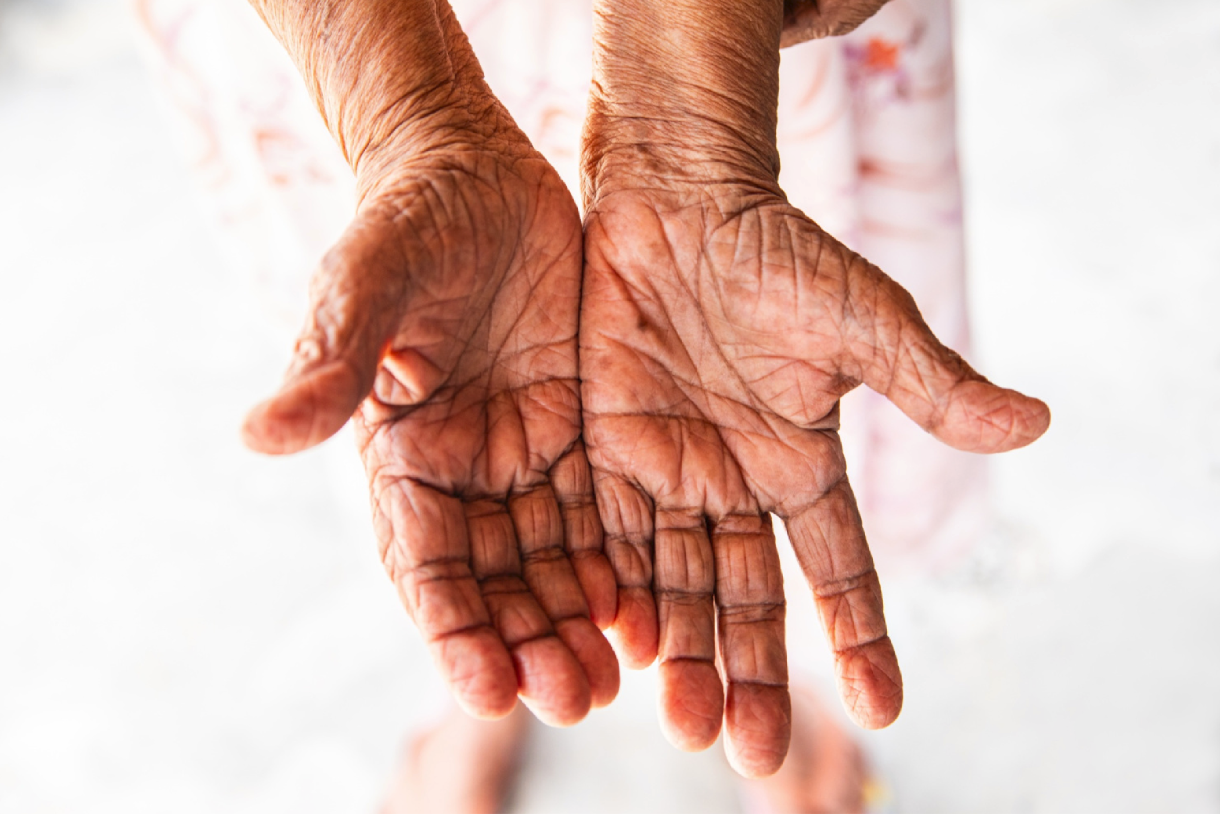
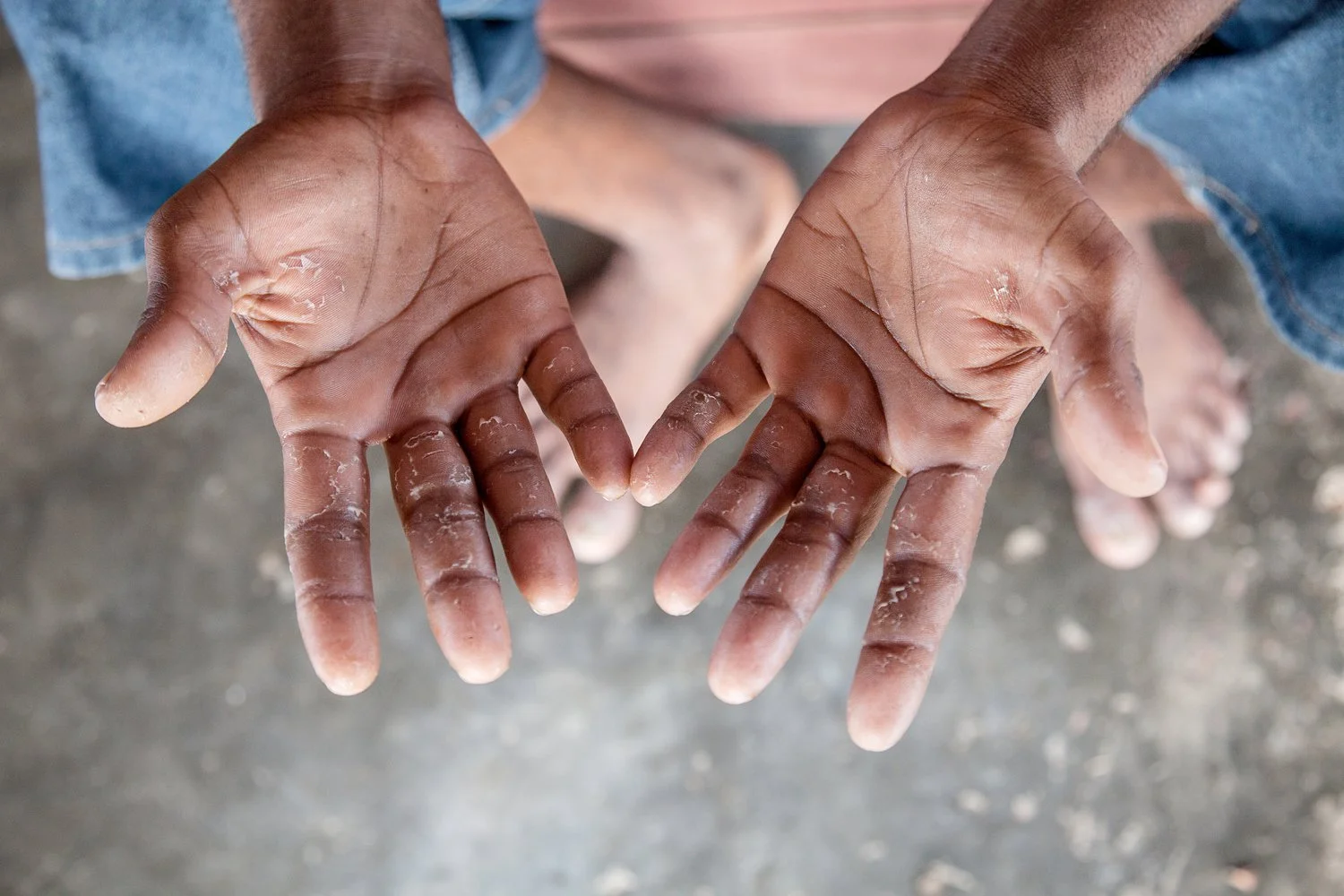
Hands I was drawn to their hands before anything else. Mousie. Basso Ajodha. The way their hands rested, the way they moved, the way they seemed to hold time. These were not just hands, they were a record. Every line, every crease, every worn surface carried something that words could not fully explain. In their hands, you can see the work. Years in the fields, cutting cane, tending crops, carrying weight day after day. Their hands showed me what our indentured ancestors must have carried, what their lives may have looked like. There is a history in them that feels both personal and inherited. But beyond the labor, there is also care. These same hands fed families, held children, wrapped an Orhni, cleaned, prayed, and kept everything together. What stayed with me is how honest hands are. They do not hide anything. They hold the truth of what has been endured and what has been given. In photographing the hands of Mousie and Basso Ajodha, I began to understand that the story is already there. You just have to slow down long enough to see it.
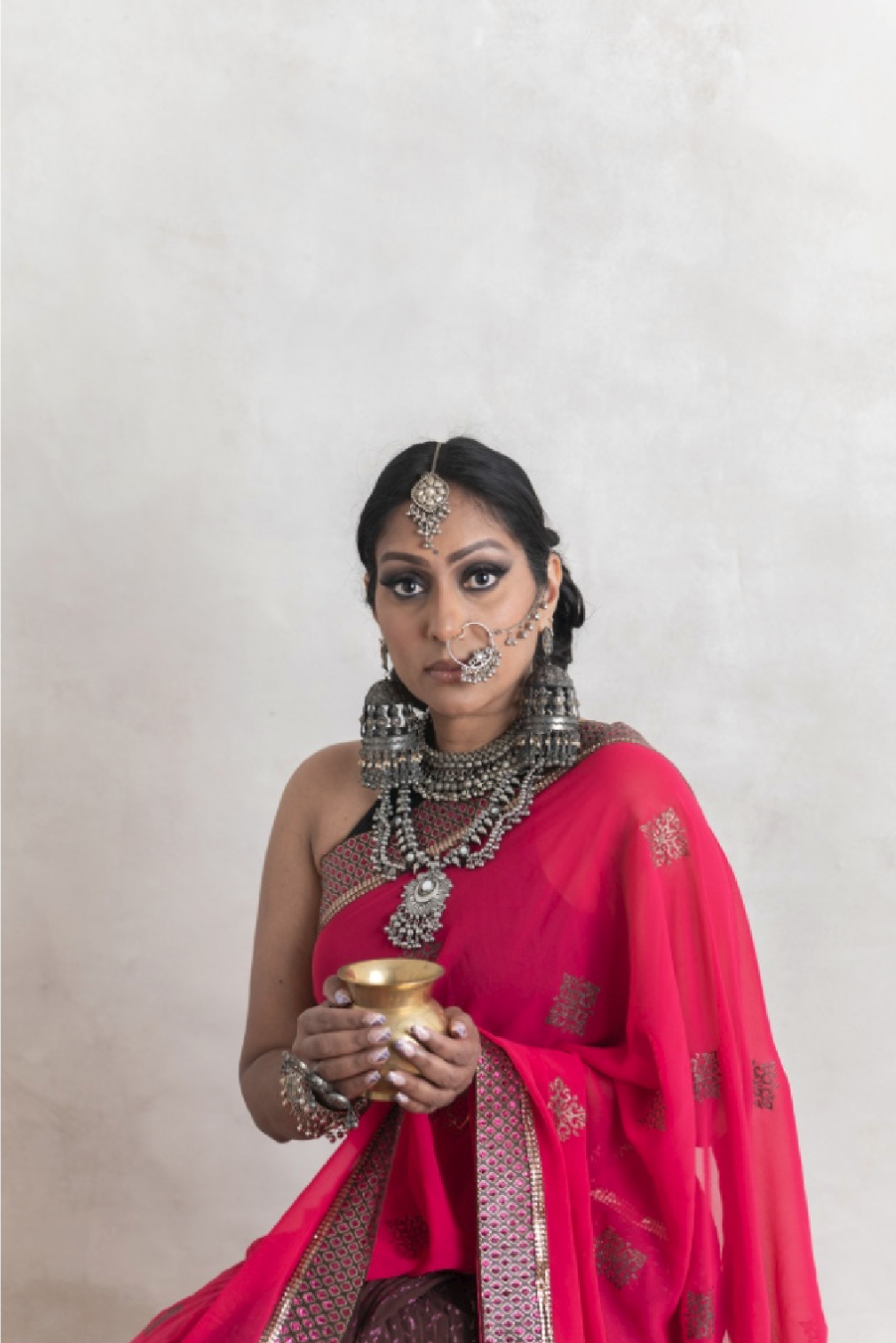
A fairy tale chapter from the pages of our culture story May 10 ,1845 the Fatel Rozack brought the first group of indentured labourers to Trinidad. History tells us the passage from India to the Caribbean was a survival journey, especially for women. Our model and story today portrays a product of survival, a fulfillment of dreams, to be adorned in jewelry and draped in a sari in a form of offering to our ancestor mothers. Nadia Nalini Singh Neubert was born and raised in Arima Trinidad & Tobago and migrated to the US in 1994. She is a trained Odissi dancer, a form of Indian Classical Dance originating from Orissa. An endearing gratitude to her mother for raising her to be the woman that she is today, but also for steering her into dance training at an early age with Mondira Balkaransingh and Nrityaniali Dance Theater (based in D). This training carved the foundation for her strong belief and love for her culture as she learned a lot about the motherland and her religion from her dance training and the guidance of her gurus Bani Ray and Guru Durga Charan Ranbir in the United States. With these influences, she bridged the gap between her West Indian heritage to her East Indian roots. Today she is proud to represent her heritage as a descendant of a caste unknown and irrelevant to her in this modern period but have traced her roots through research from the National Archives of Trinidad and Tobago thanks to her sister Ria, who has been building a family tree to trace the path of her ancestors coming from Uttar Pradesh in India. In this photo Nadia is showing the jewelry she feels is authentic to the times of her ancestors, as studies have shown India has an abundance of skilled jewelers and craftsmen. Whether it be gold or silver, the artistic ability of our ancestors continues to live on with our remarkable and well-known Indian jewel designs. Nadia is adorning oxidized silver jewelry by Rasa Nari and Modz India Fashions, the earrings paired with her oxidized silver nath or nose ring and the matching tikka, choker and longer necklace, also a silver cuff and 3 ring set. Contrasting with modern sari draping. Written by Meera Singh Chhedi
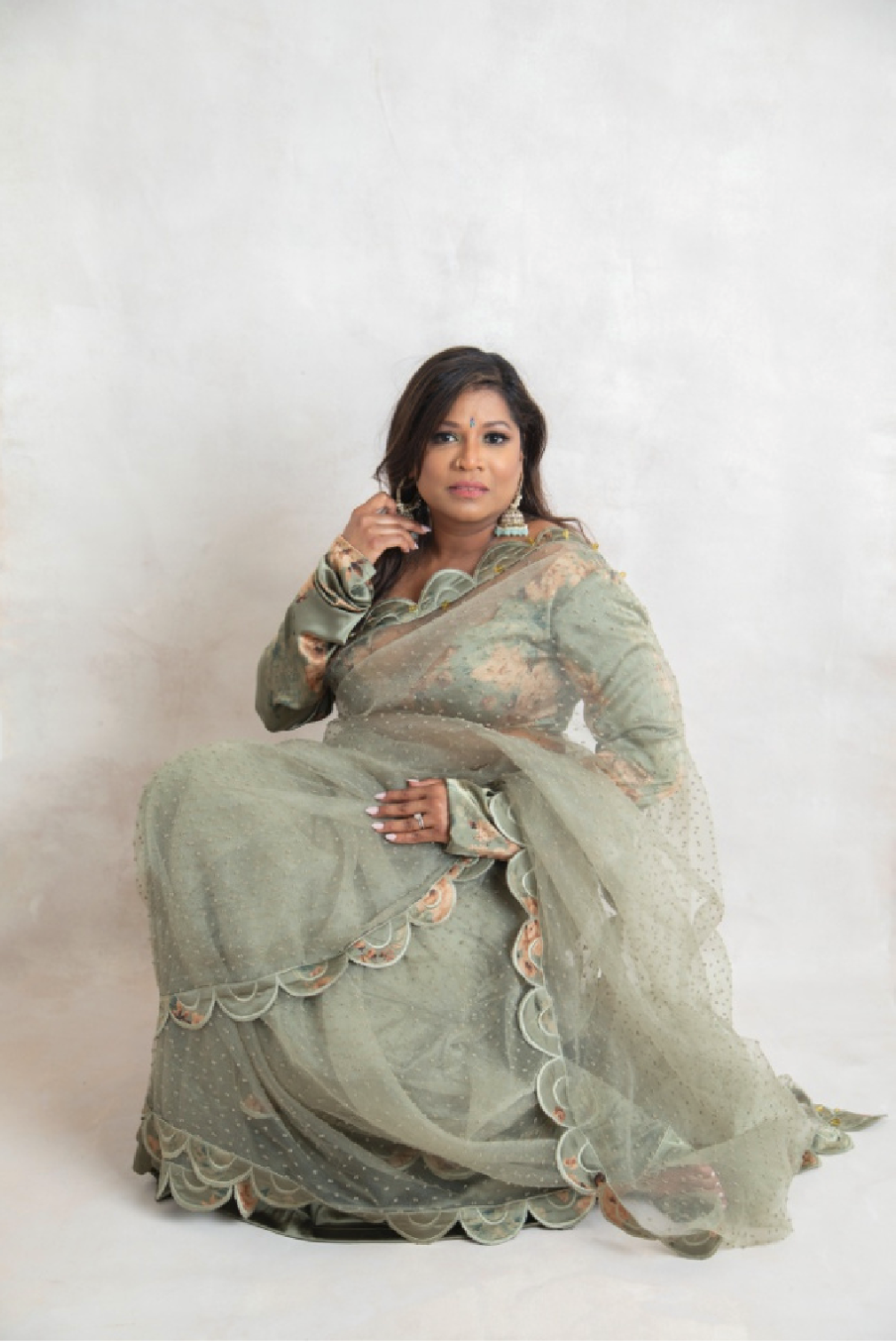
Meera Singh Chhedi Meera’s image comes from a memory of our grandmothers and the Orhni. That quiet, familiar moment when they would lift the fabric and place it over their heads. There was always something gentle in that action, something unspoken but deeply felt. For Meera, it was about holding onto that feeling, not recreating it exactly, but remembering it in her own way. She chose a lace sari, drawn to its softness and texture, something that echoed what she had seen growing up. The way she wears it, the way she holds the Orhni, sits between past and present. It is not about copying tradition, but honoring it. In her image, there is a stillness, a pause, a connection to our grandmothers that feels both intimate and her own.
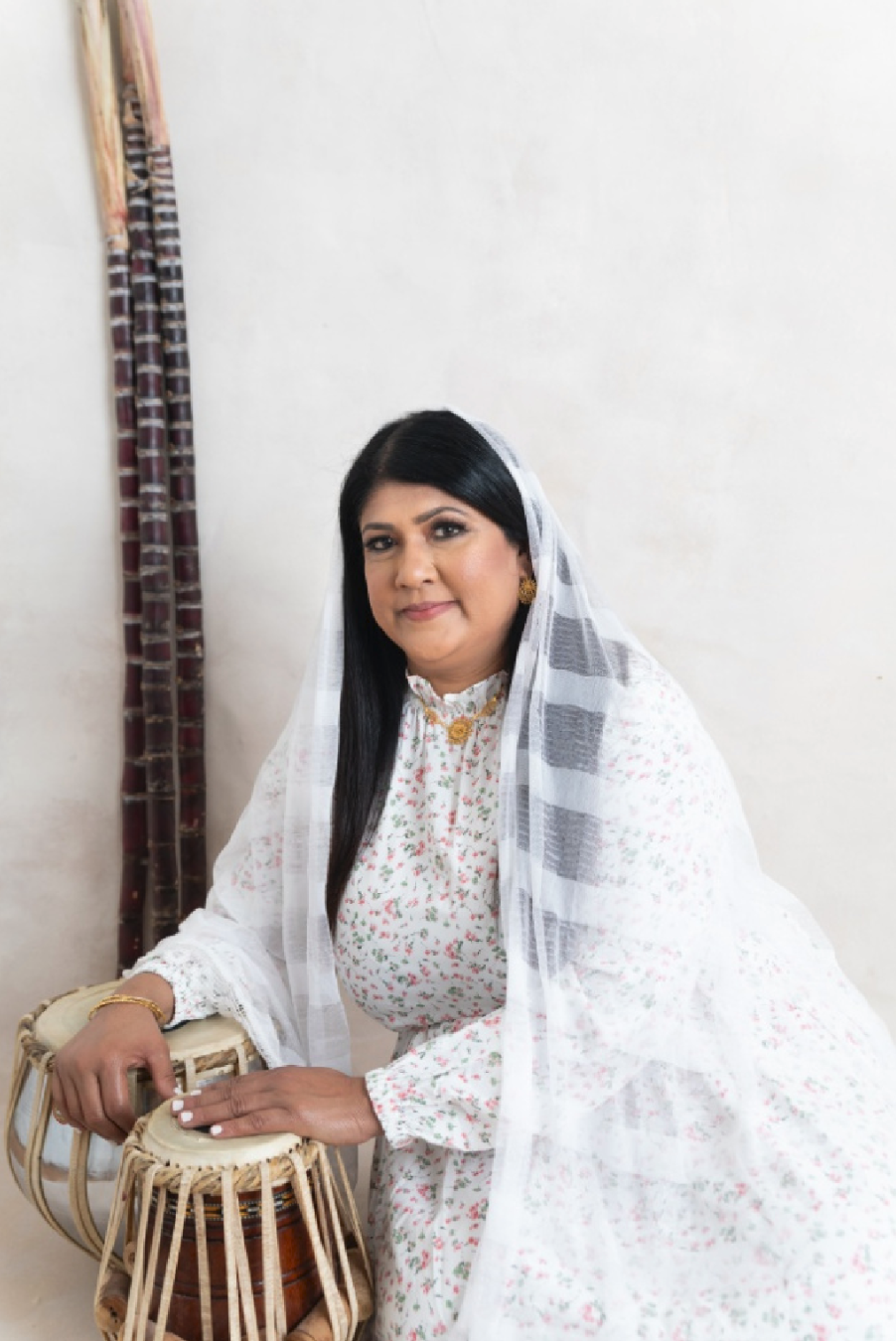
Patricia Raghunandan AKA Sookranie Dhanpat, originally from Mahaica, Guyana The Orhani When we remember our grandmothers, "Agi" and "Nani" we remember the way they prepared to attend a religious or cultural event. The draping of the simple white orhni over the head was a reverent action. It separated the role of this woman in her time from her domestic and matriarchal responsibilities and she stepped into a moment where she looked pious and at peace. The simple way our Agis and Nanis would open this fabric with their hands and drape is an action we remember fondly. We want this photo to honor that action and memory. Researcher Vinay Harrichan described in his article about the Orhni that this practice is expected to disappear within the next decade. Generations since have gravitated away from adorning the Orhni and some may not see it as progressive. We hope this piece honors the past, highlights the depth of this fabric and to be the voice of their story that they didn't get a chance to finish. This orhani was given to her by someone very special and Patricia carried the emotions as she framed her face. Written by Meera Singh Chhedi
Questions I wished I asked my Agi
Diana Kahrim is a Trinidad-born, New York–based photographer whose work centers on memory, identity, and the preservation of Indo-Caribbean history. Born in Claxton Bay, Trinidad, she comes from a lineage shaped by migration, labor, and resilience, themes that continue to inform her photographic practice.
Her current body of work focuses on documenting the lives and stories of Indo-Trinidadian women, many over the age of 100, whose experiences are directly connected to the legacy of indentureship. Through intimate portraits and oral histories, Kahrim explores the untold narratives of survival, labor, and cultural continuity that have been passed down through generations.
This project is both personal and archival. It reflects her own connection to her grandmothers, while also honoring a generation of women whose stories were often left undocumented. By focusing on details such as hands, language, clothing, and ritual, her work preserves fragments of a history that is at risk of being lost.
Kahrim’s photographs are not just images, but acts of remembrance. They serve as a bridge between past and present, ensuring that the lives, voices, and presence of these women continue to be seen, felt, and carried forward.
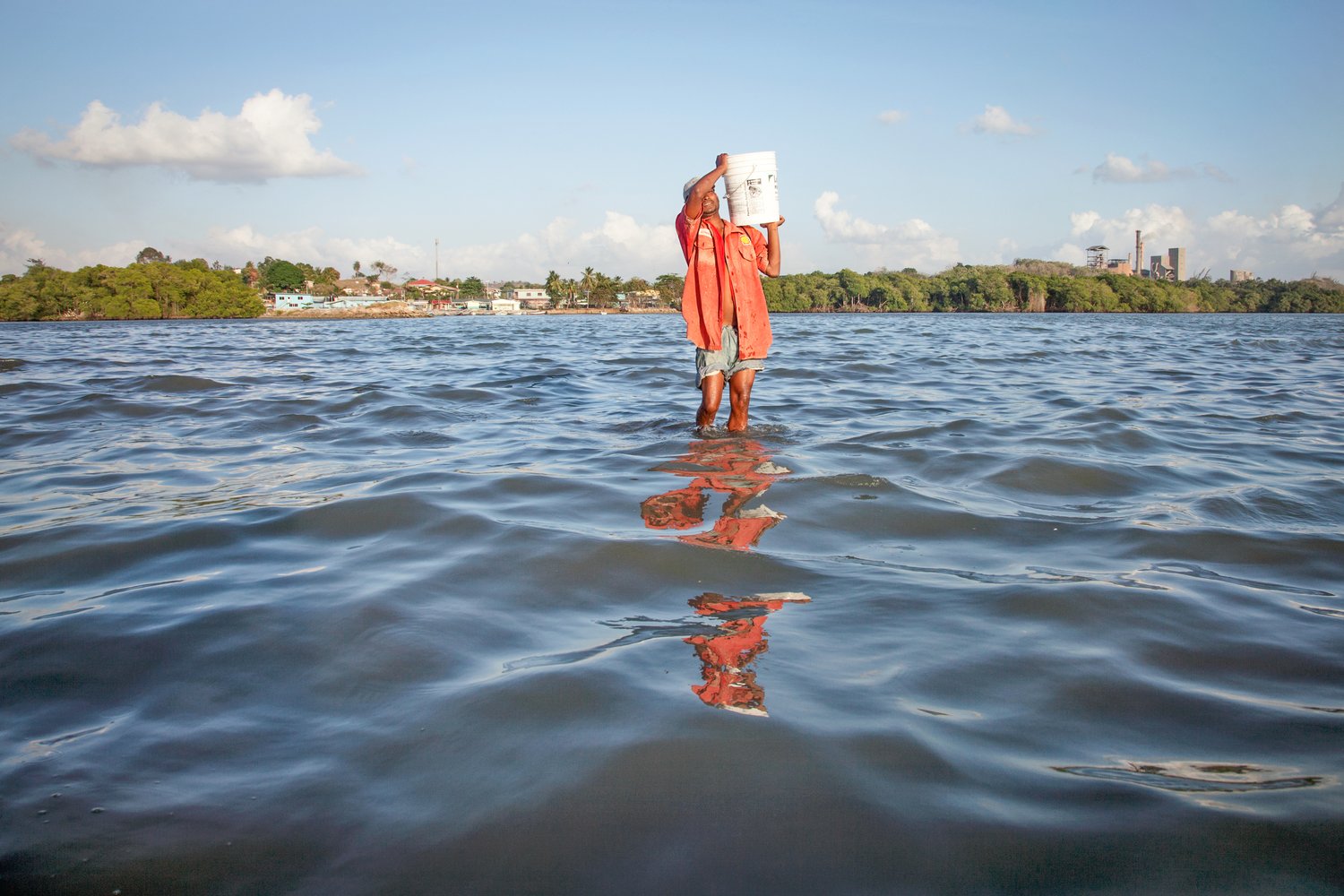
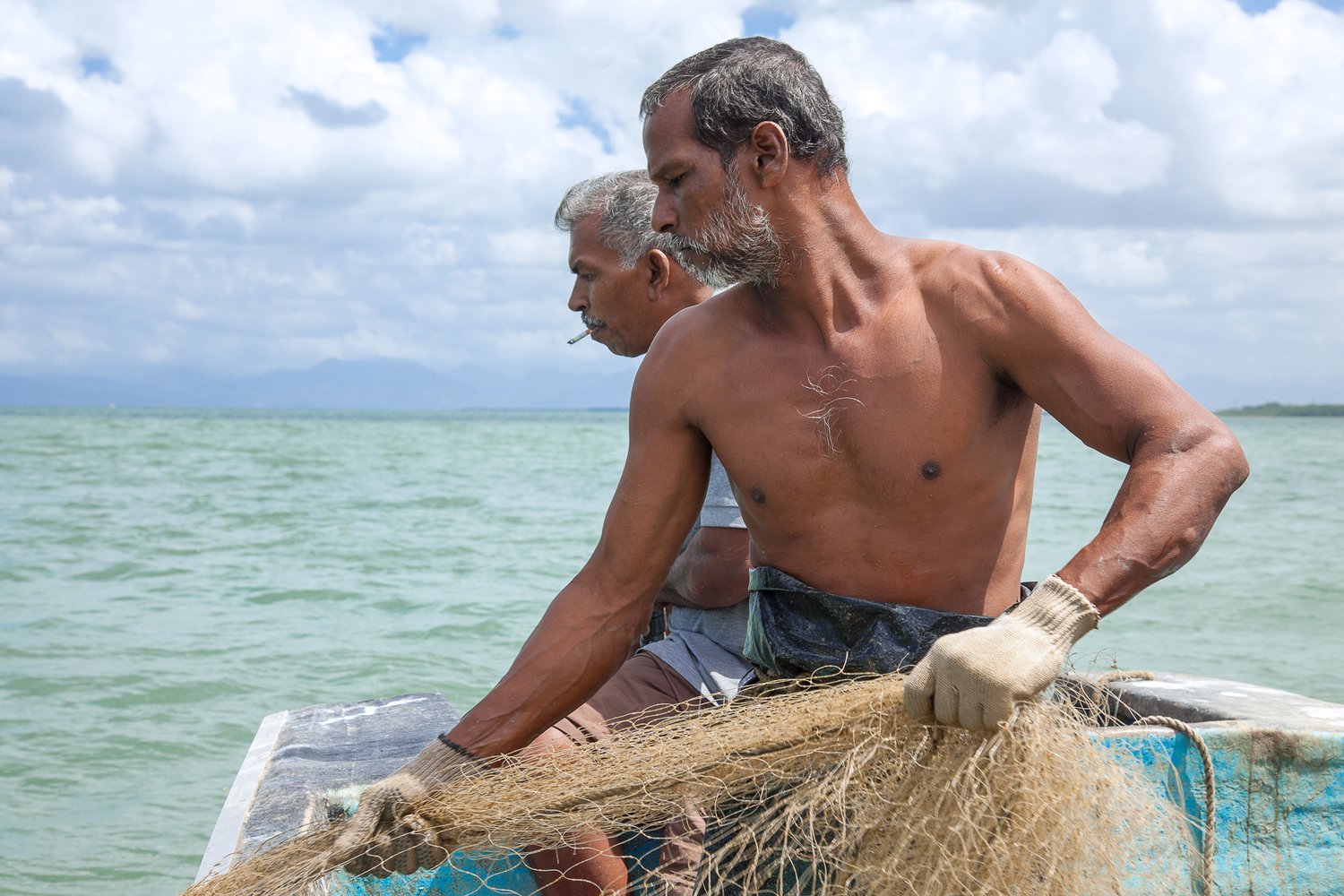
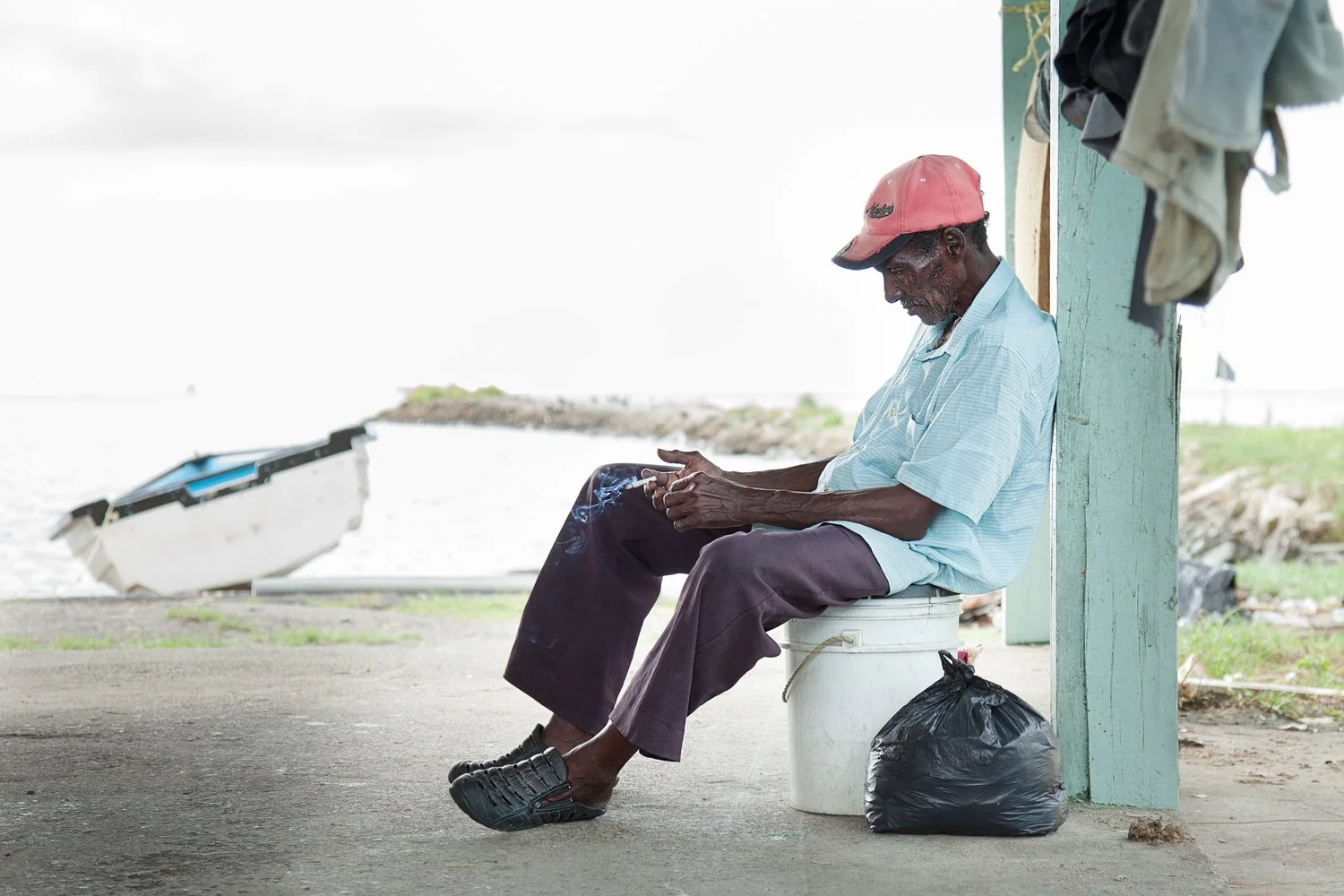
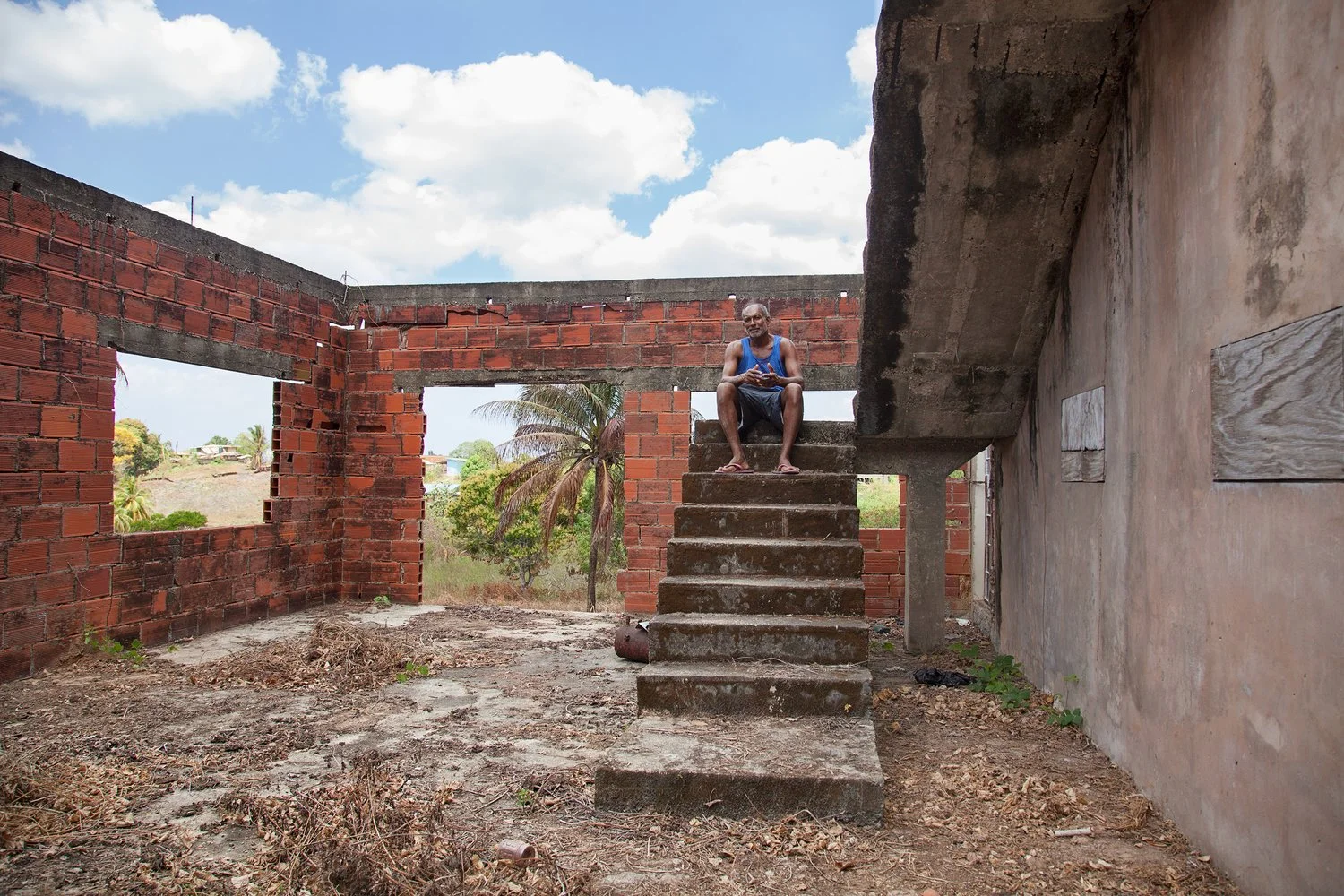
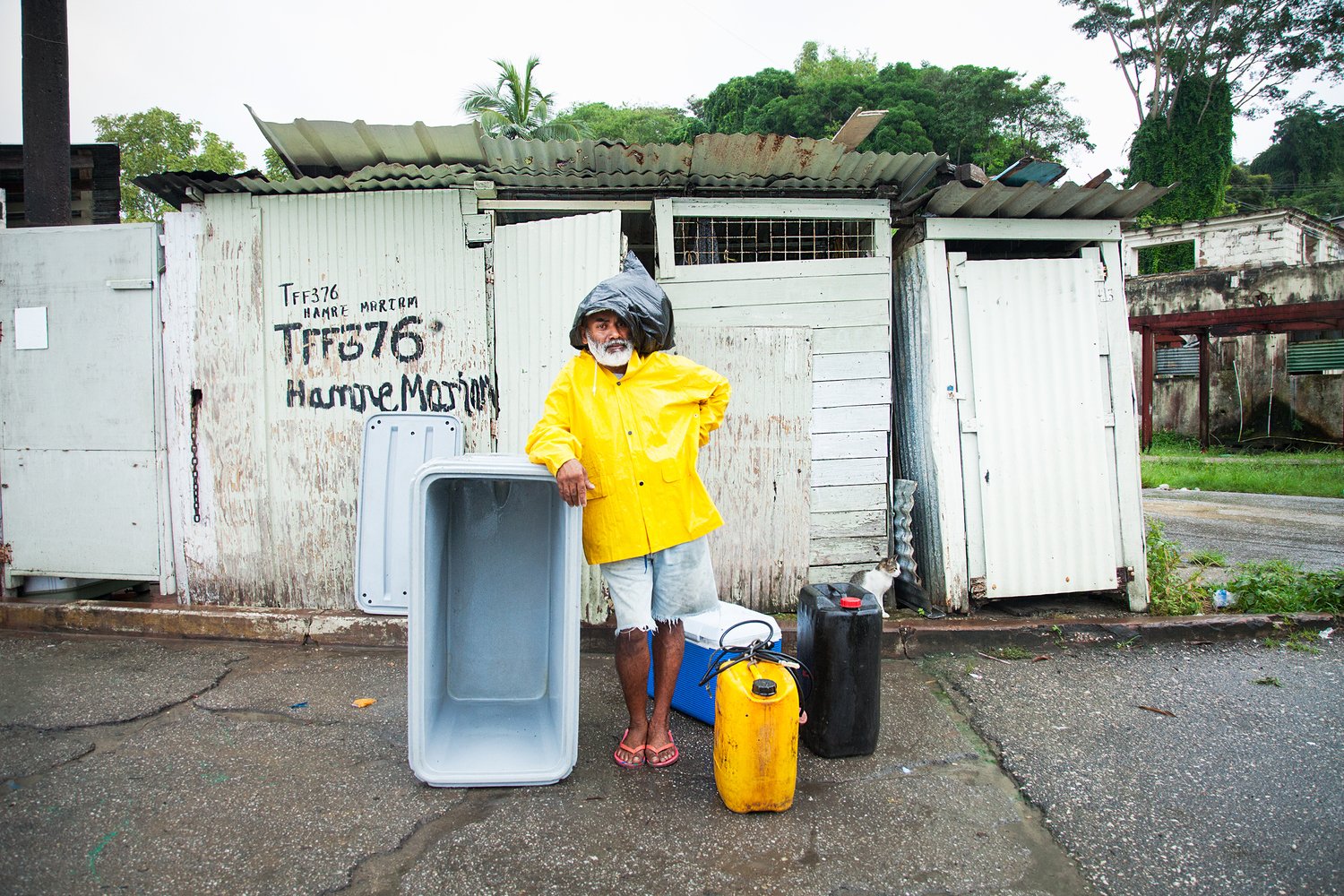
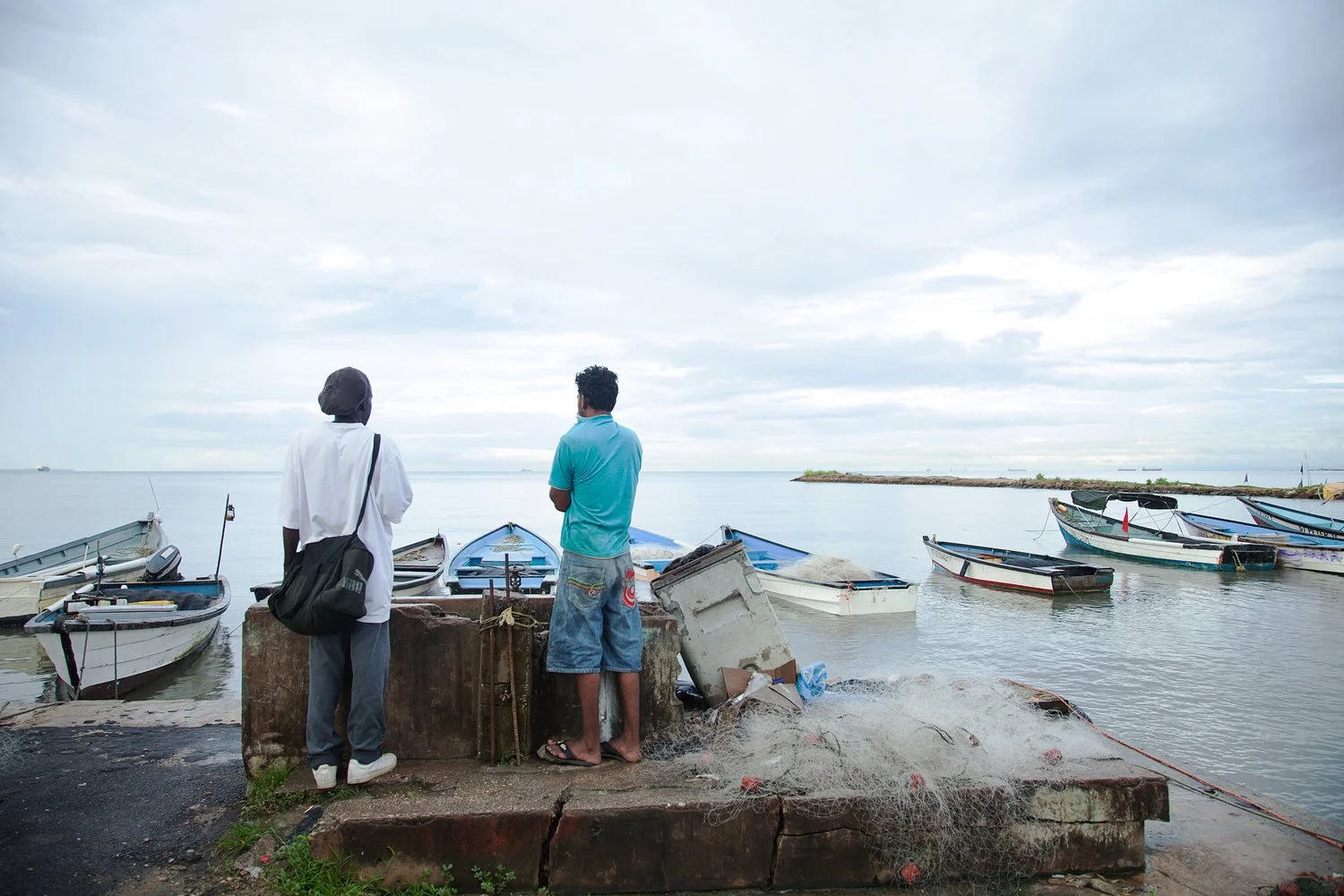
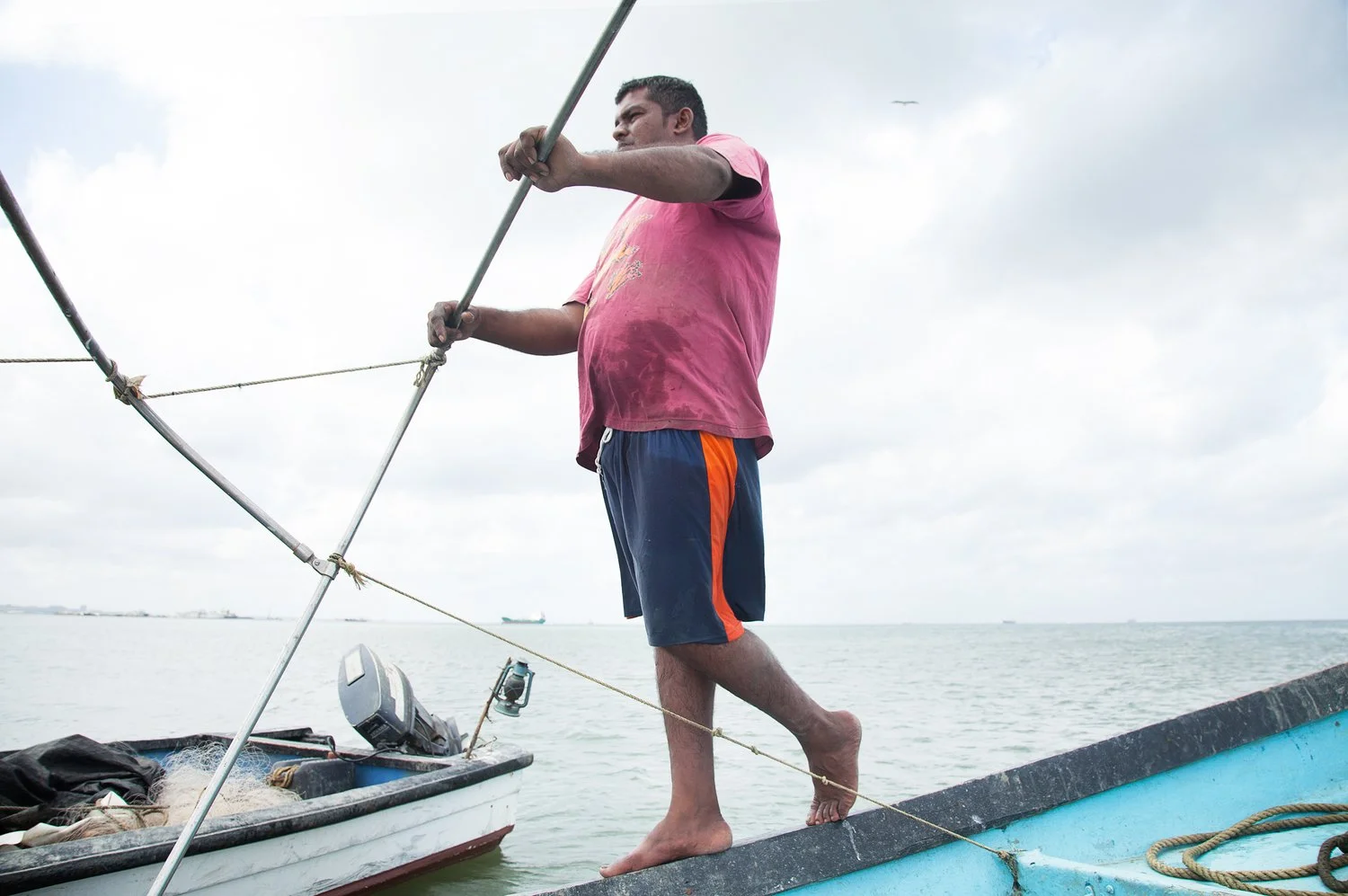
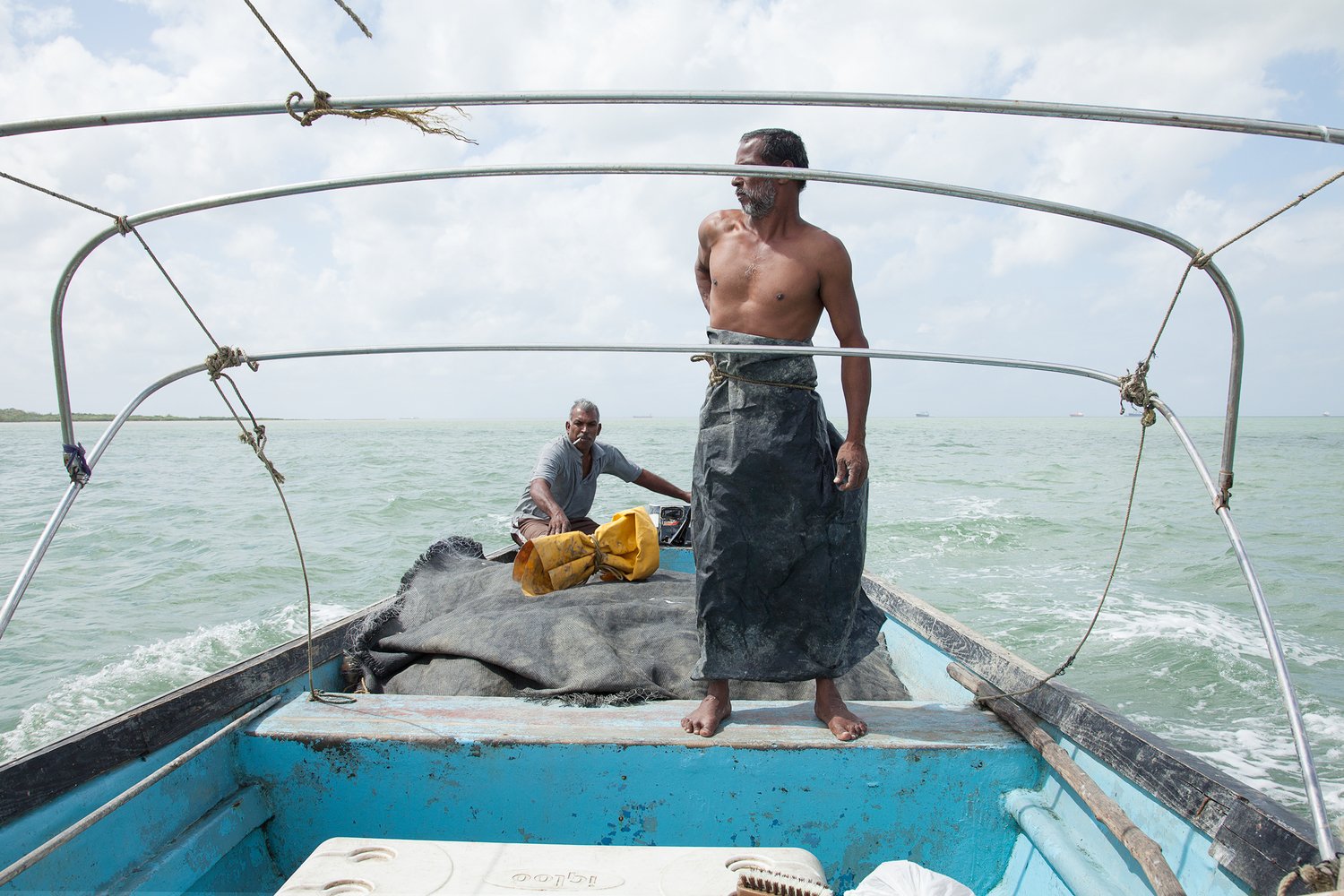
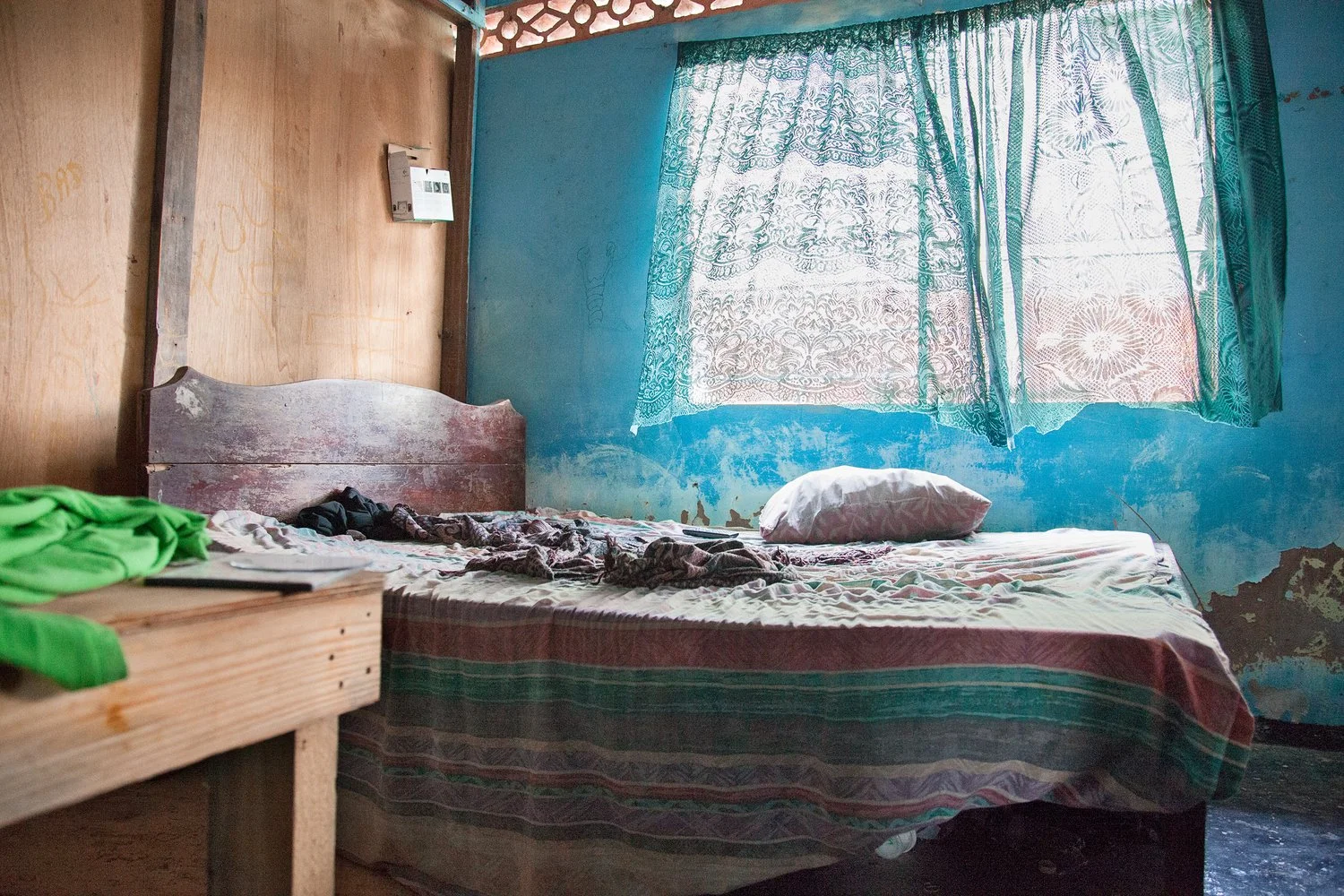
A Fisherman's Journey
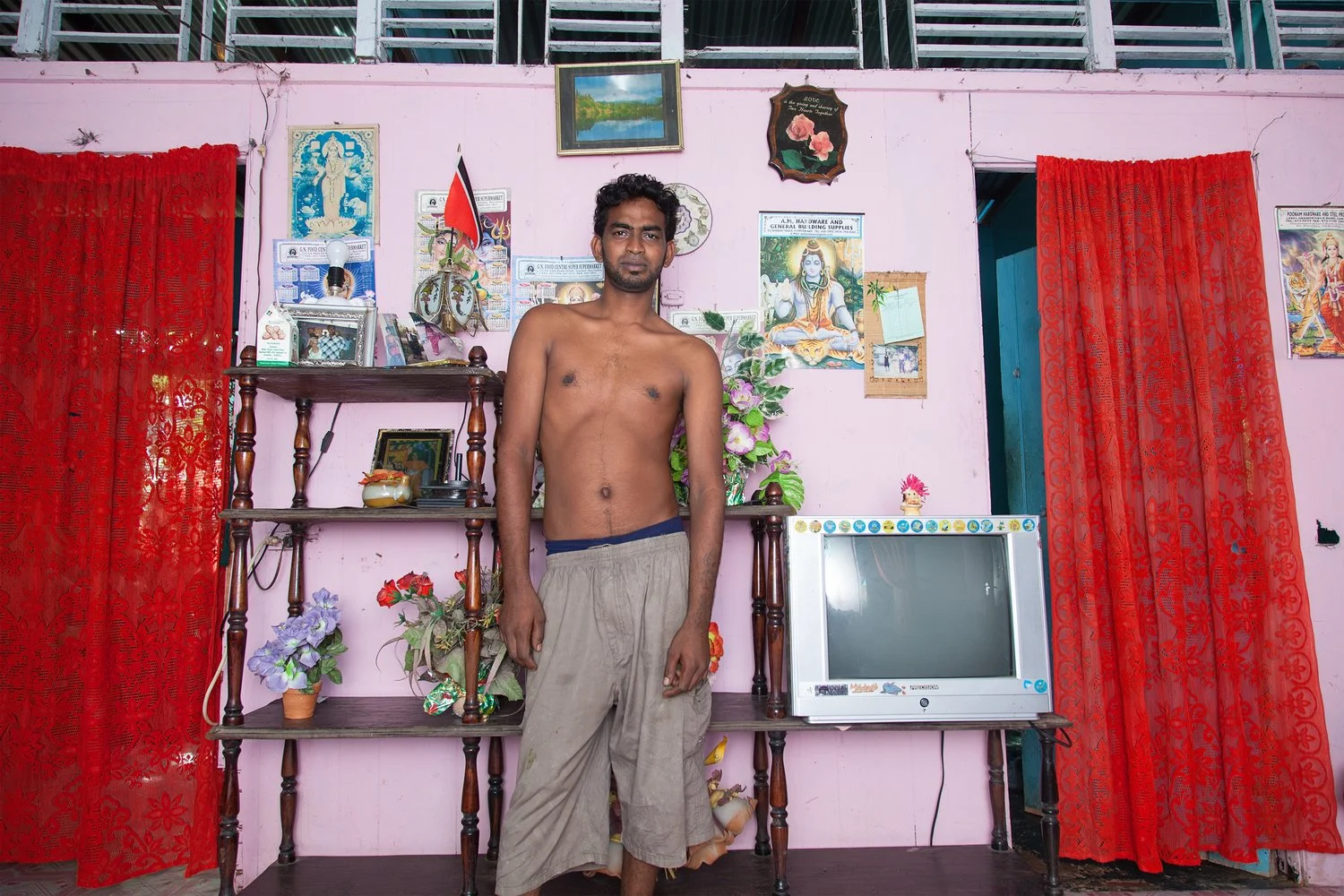
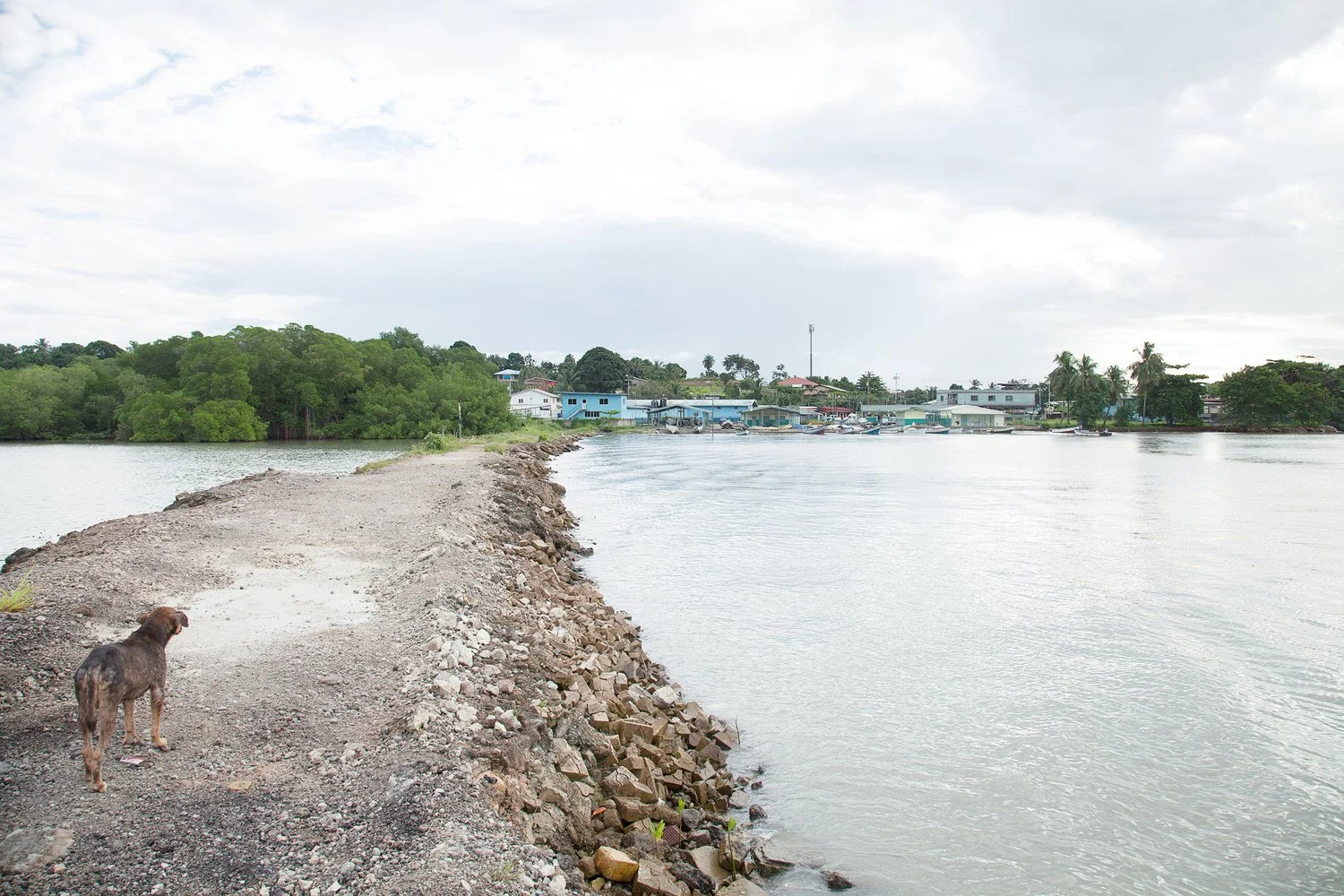
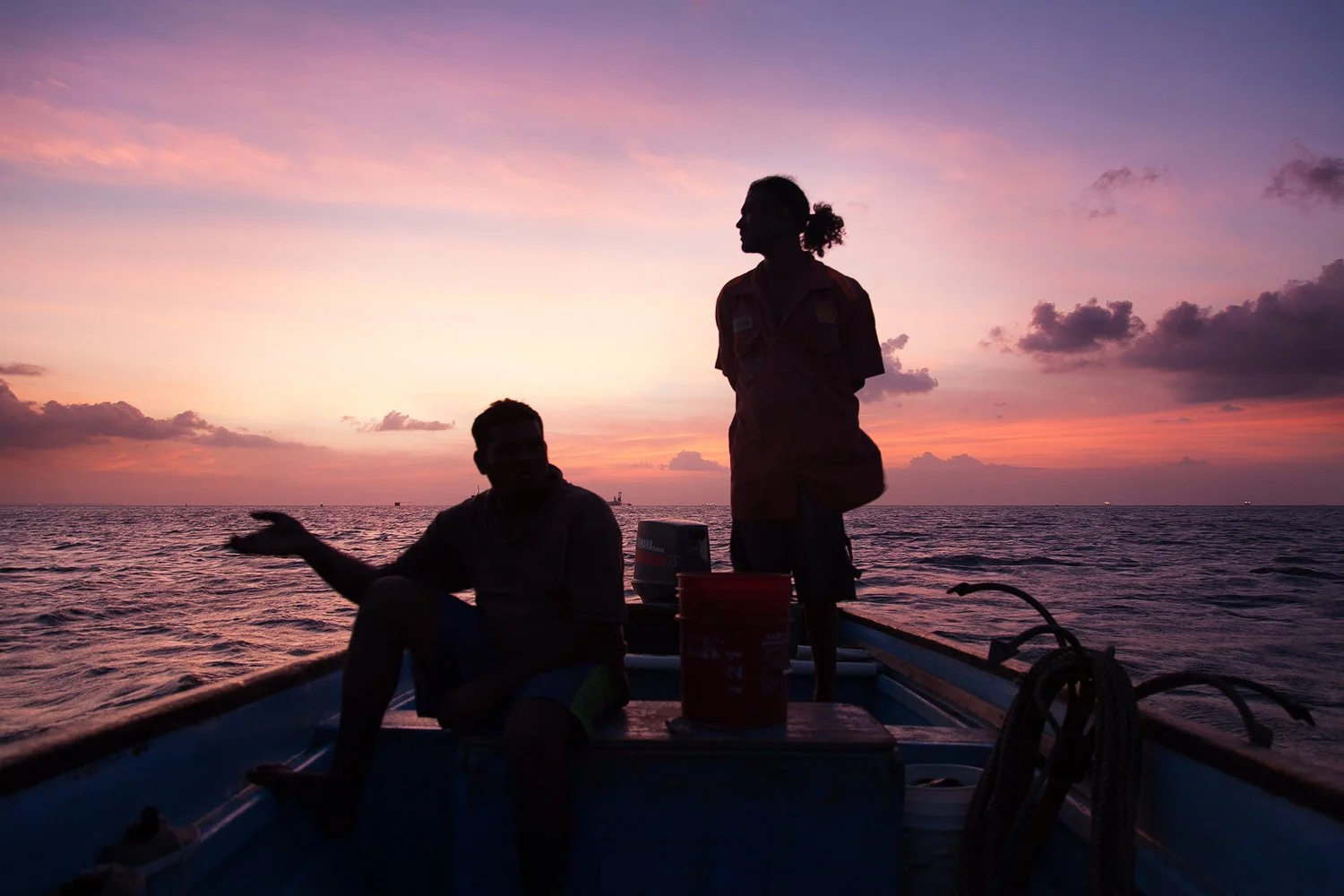
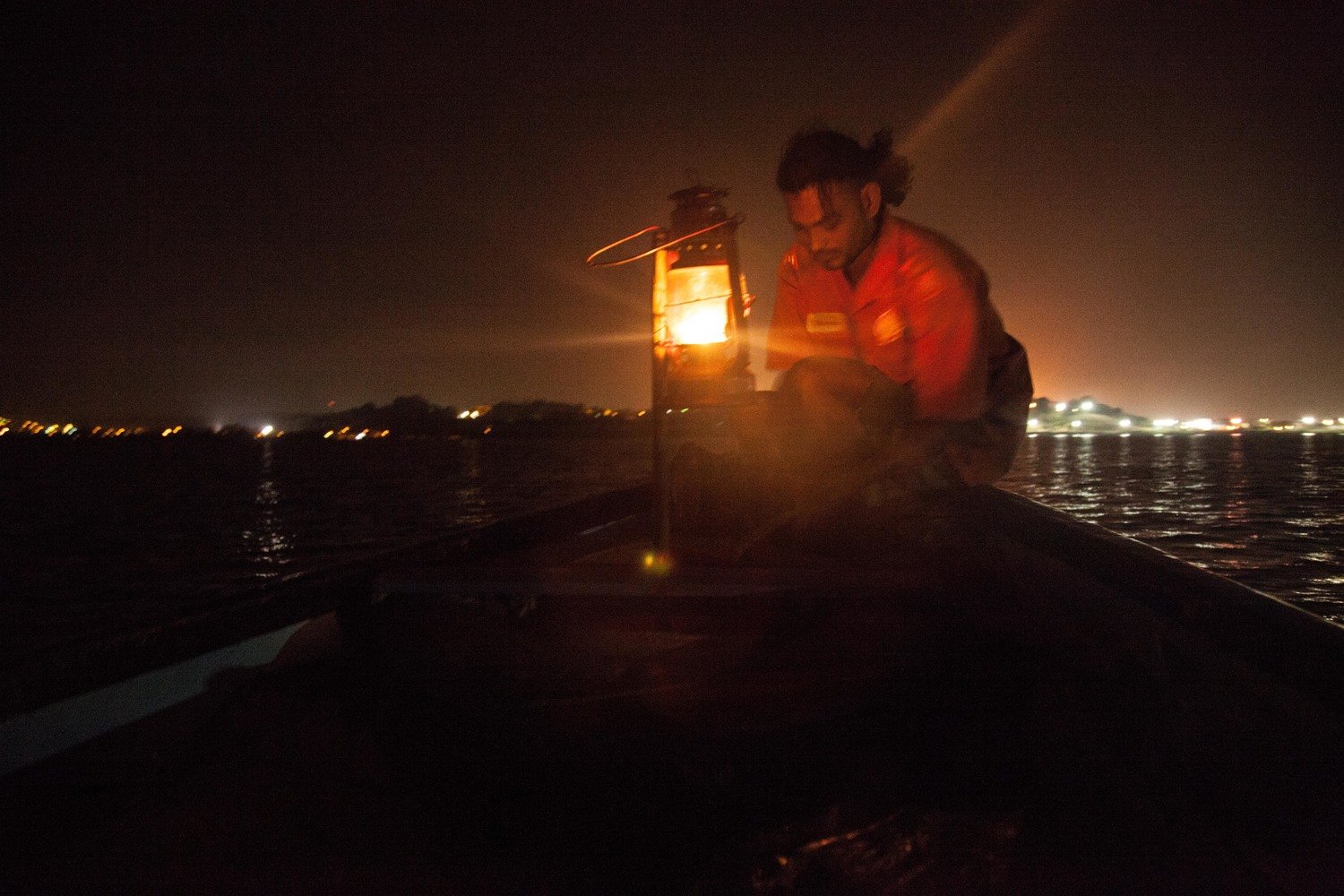
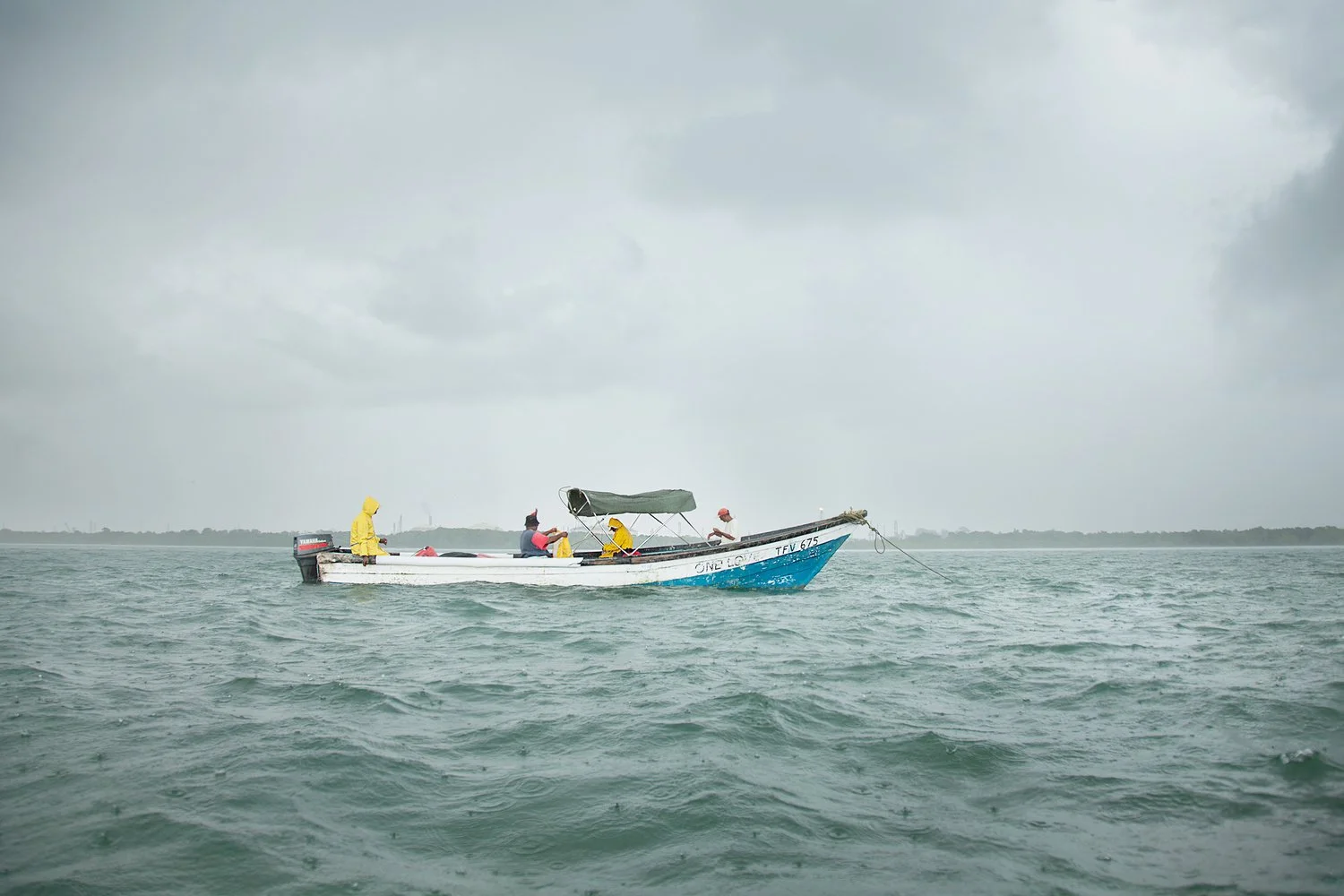
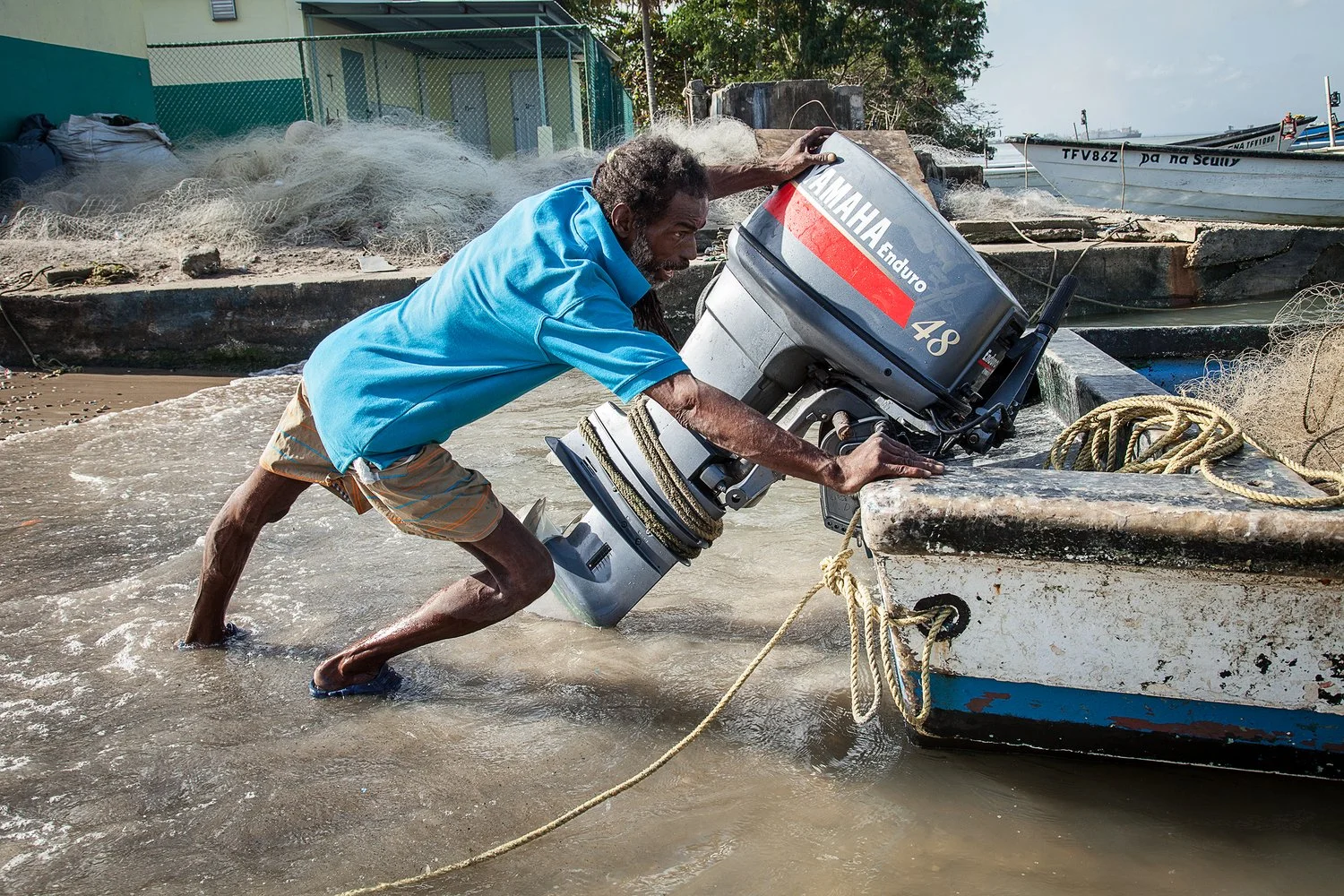
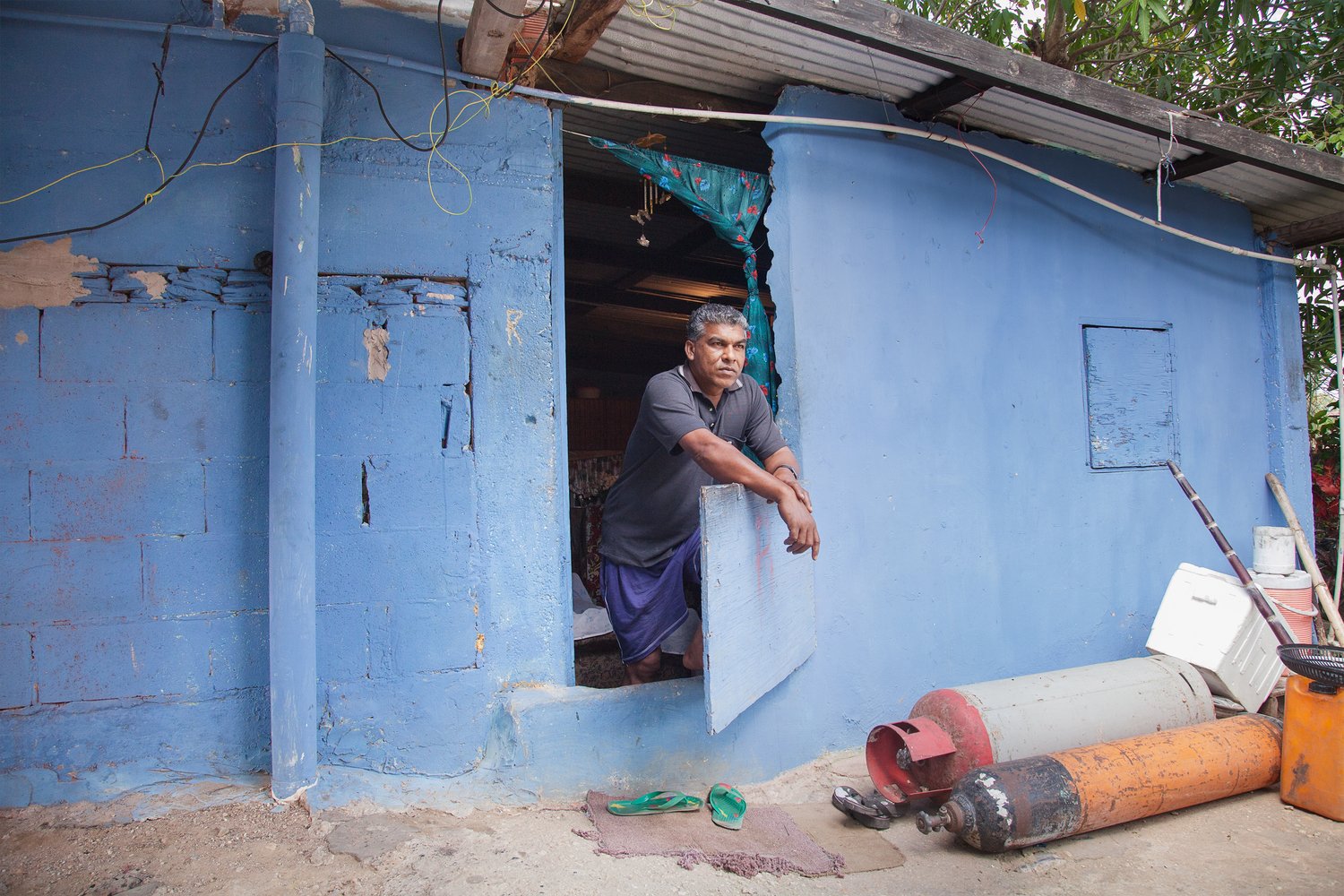
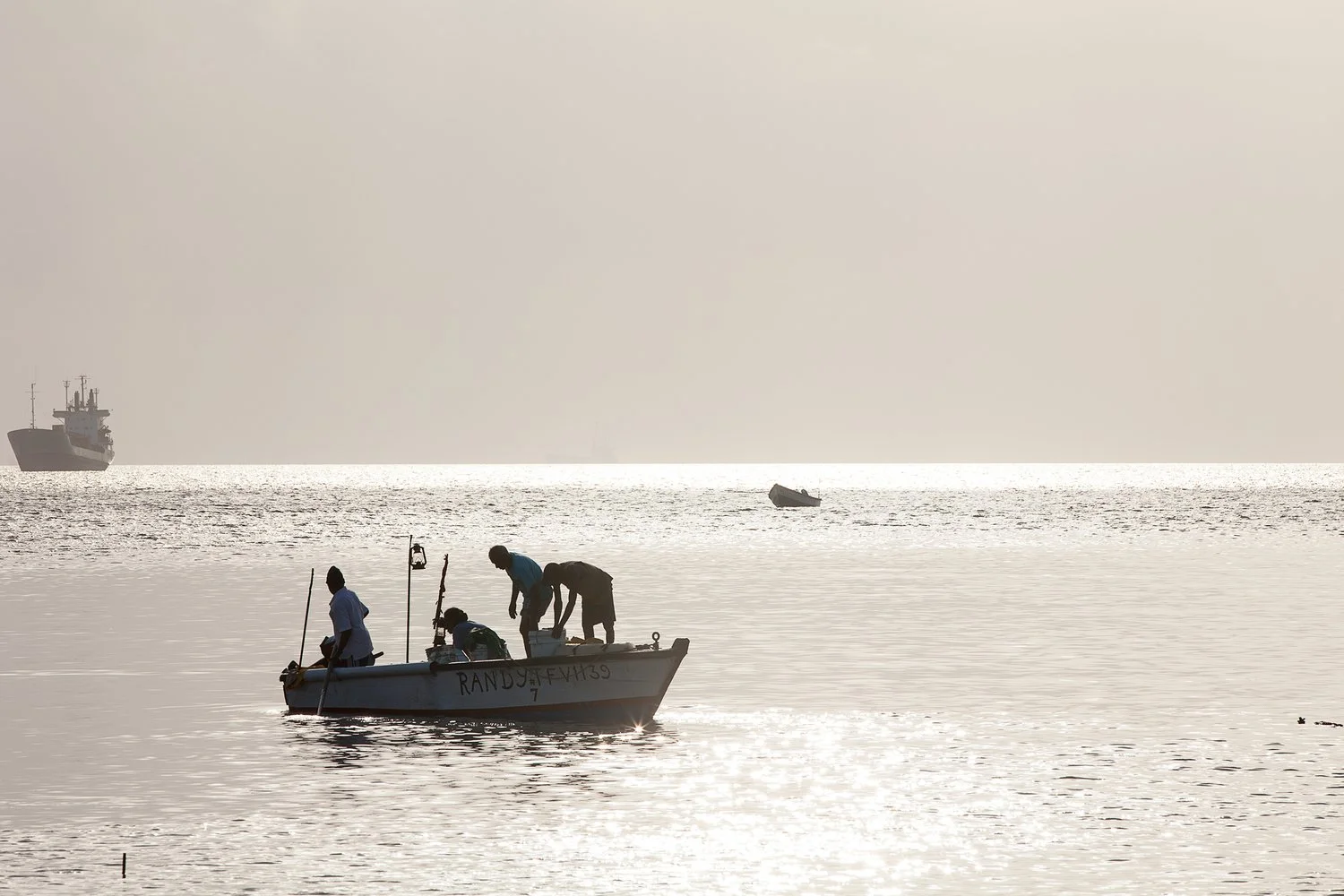
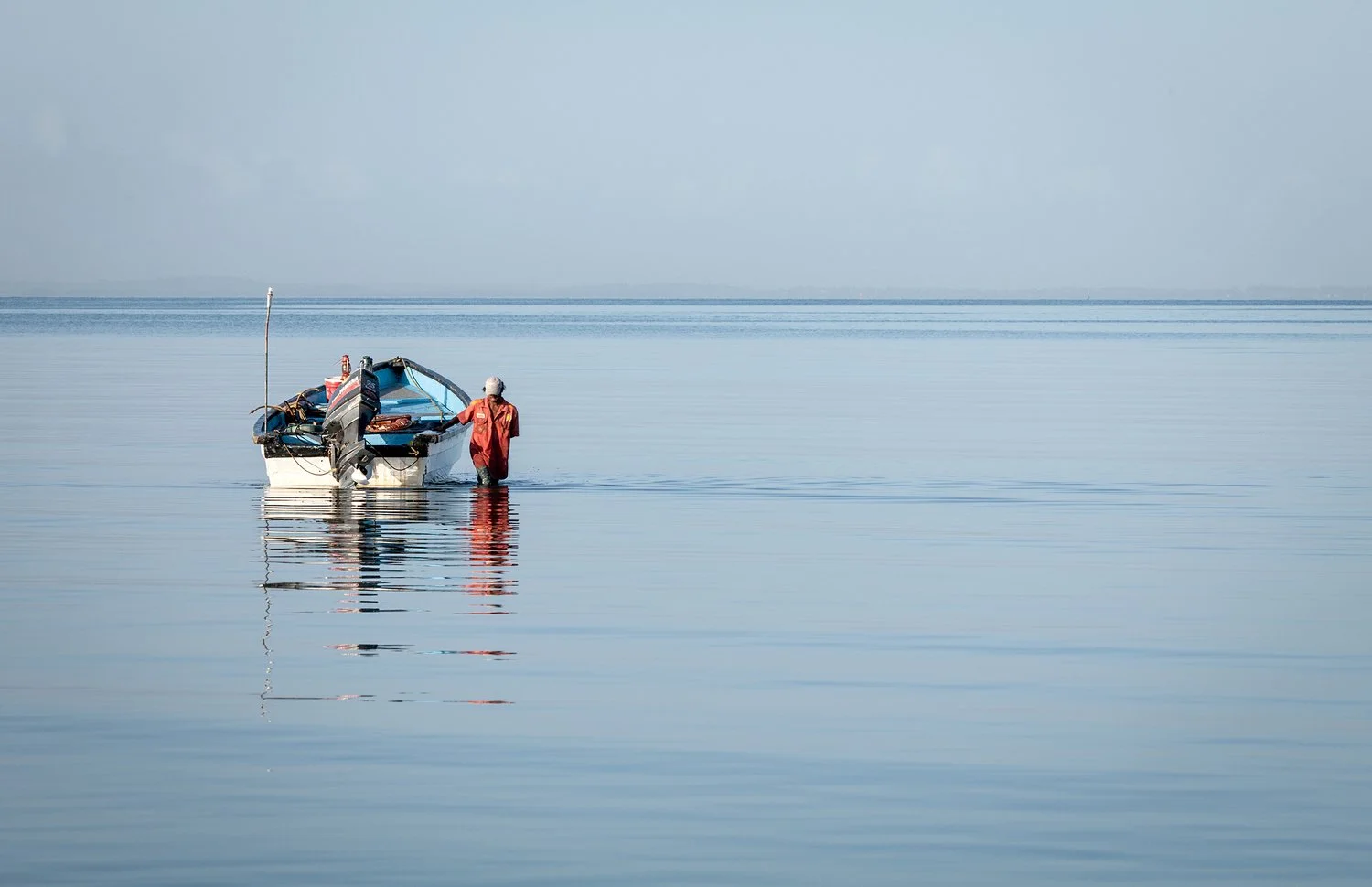
I was born and raised in a fishing village called Claxton Bay, on the Caribbean Island of Trinidad. I hail from a long line of local fishermen. I left the village at a young age, but the stories my father told me of island life and the fishing experience have shaped my life, defined my values, and inspired my ambitions.
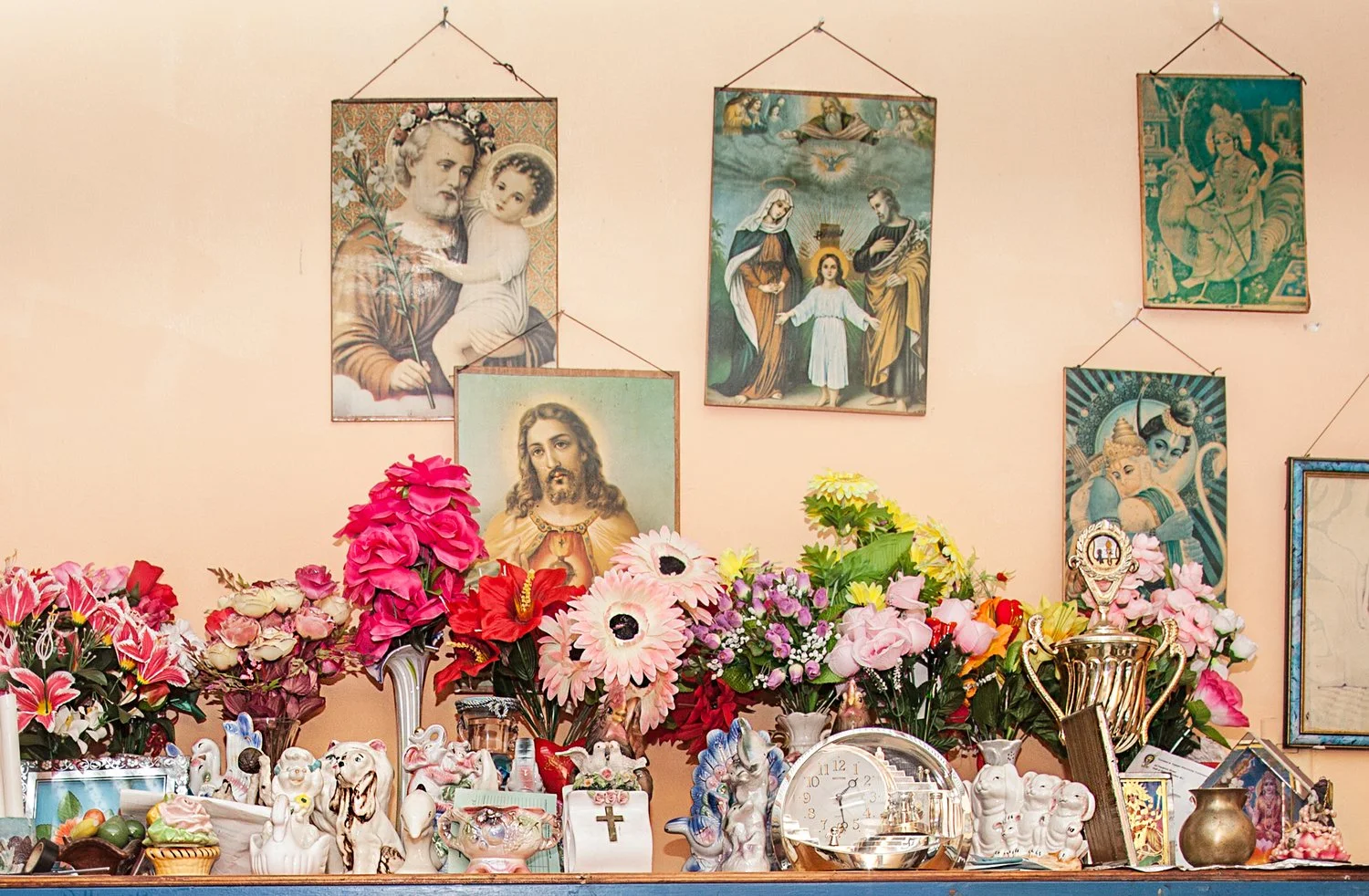
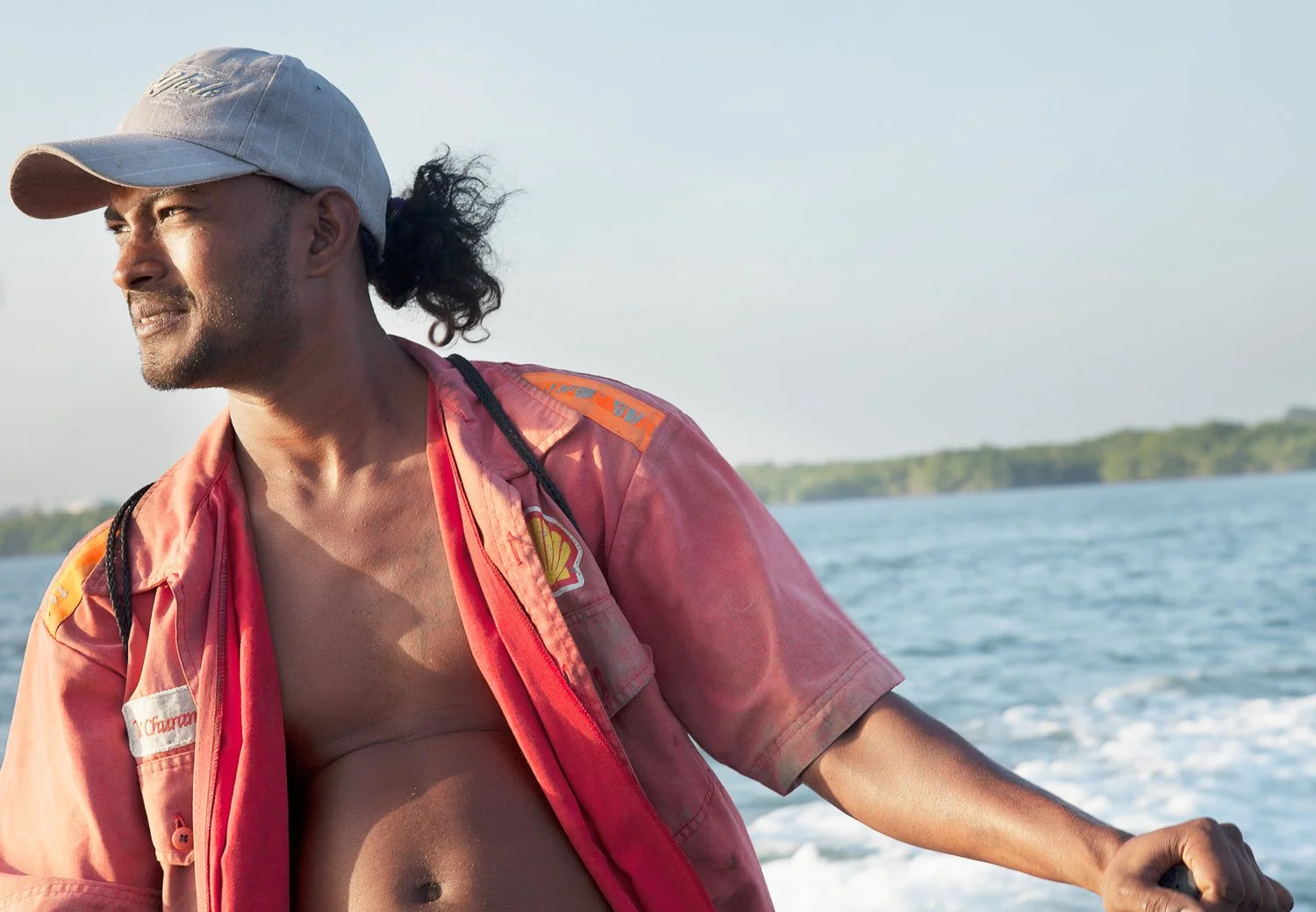
For "A Fisherman’s Journey" I decided to take these stories beyond the realm of remembered words, and give them a visual life. So I returned to my village and spent several weeks photographing its daily life. Every morning I would get up and document the fishermen as they engaged both in their vocation and in recreational activities—fishing, playing cricket, or just being at home.
Most of the fishermen I photographed are related to me, but I was still nervous about reconnecting with them. It came naturally, though, because they all knew my father. In fact, they were too receptive at first, posing for pictures all the time. They loved being photographed. But I wanted to capture them in a documentary style, without awareness of the camera. Fortunately, the longer I stayed in Claxton Bay, the more invisible I became. And I felt a flashback of happiness from remembering the time I spent with my father as a child.
My hope in creating these images goes beyond reclaiming my own heritage. I wanted something more universal: a statement that there are still places in the world that are peaceable, where people work hard yet still have time to enjoy one another’s company and the gifts of nature.
Trinidad & Tobago, 2013

Pothounds
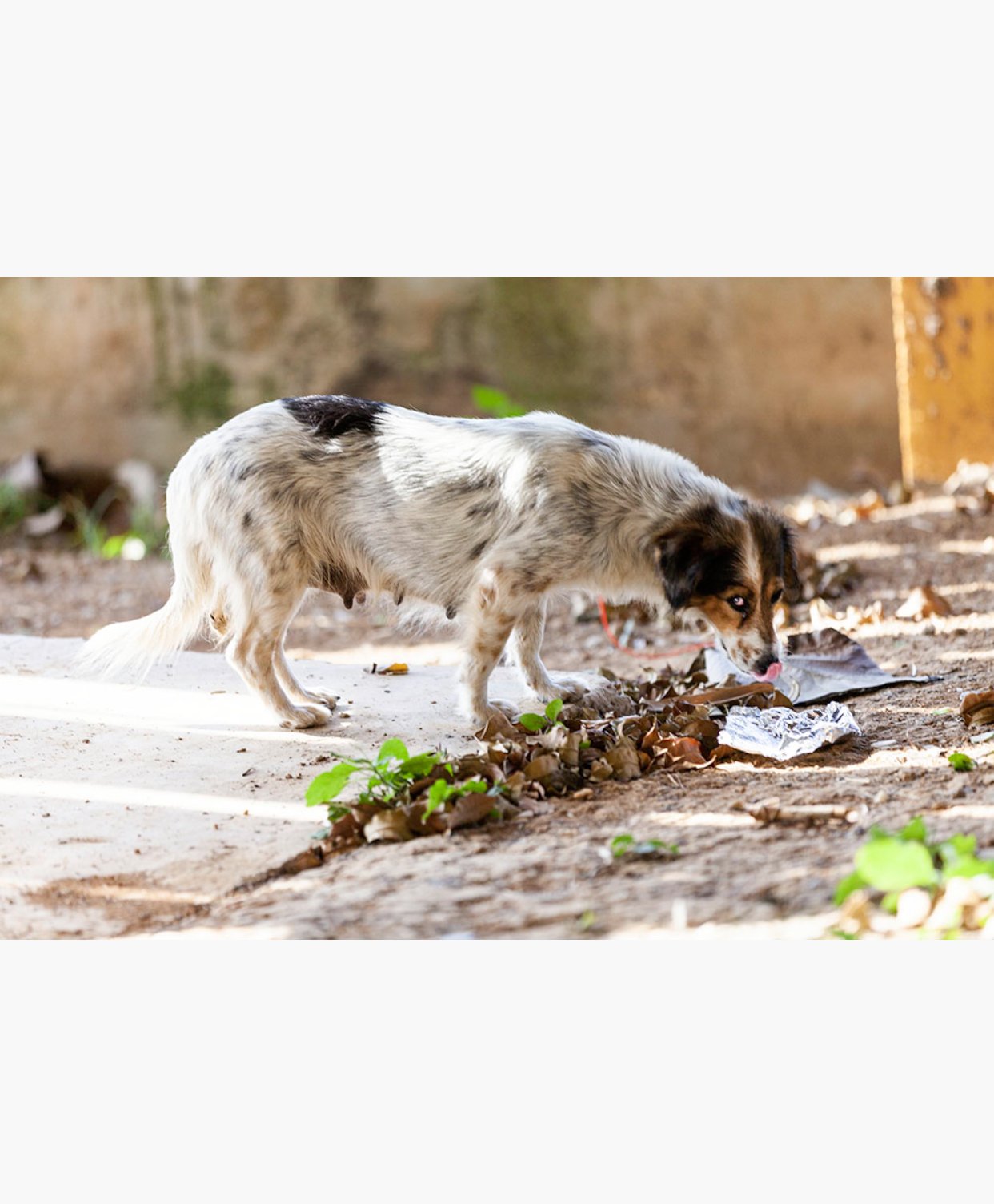
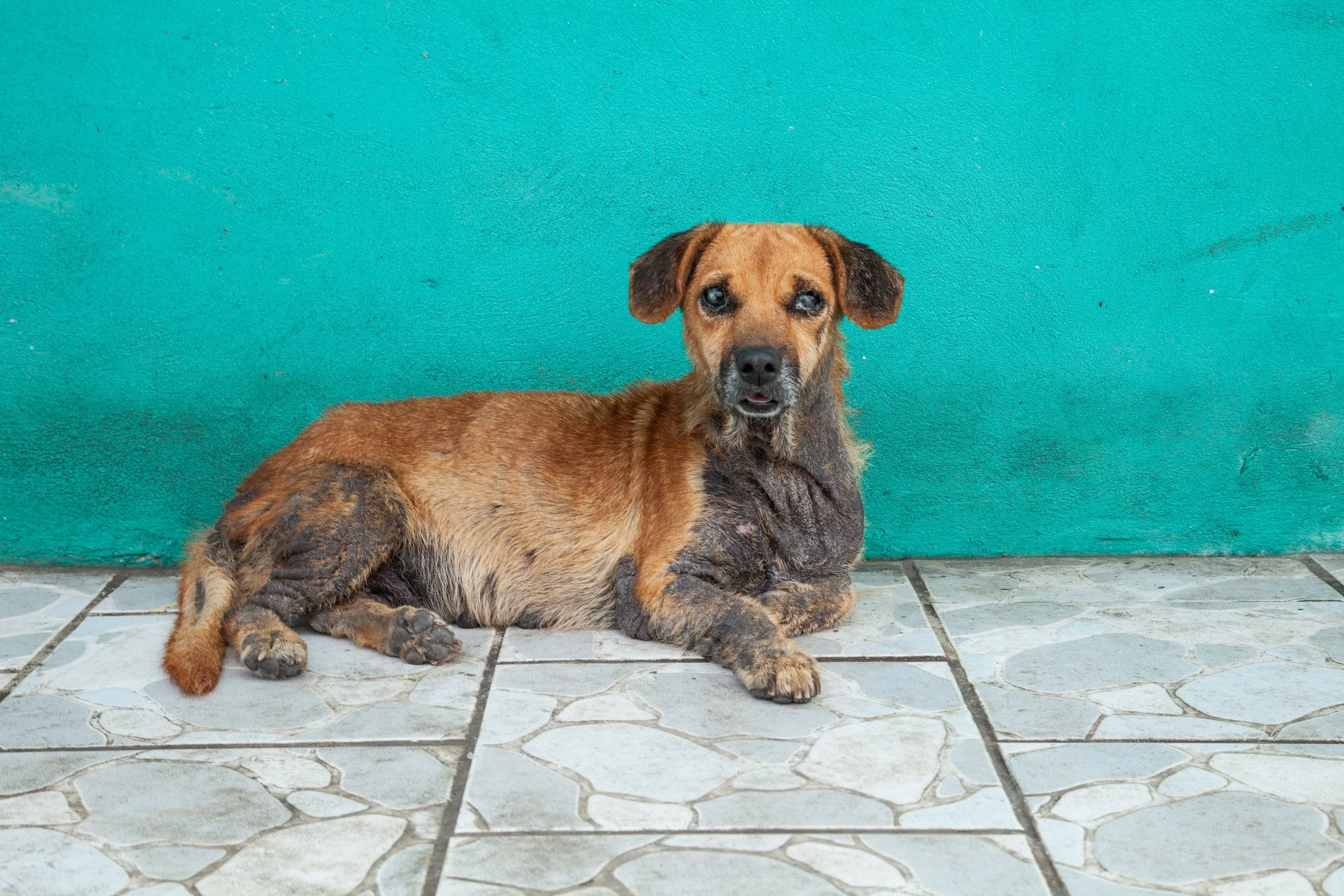
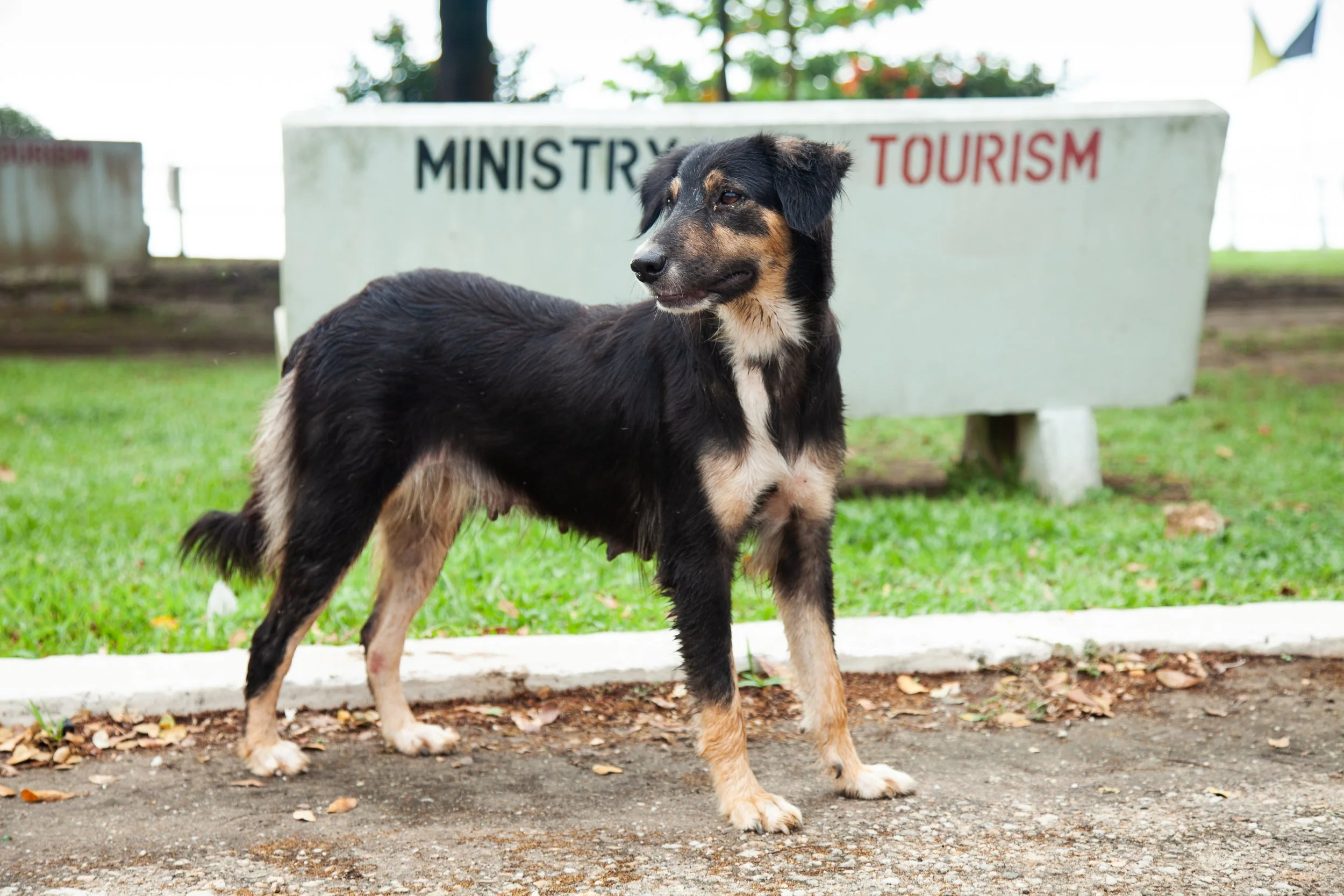
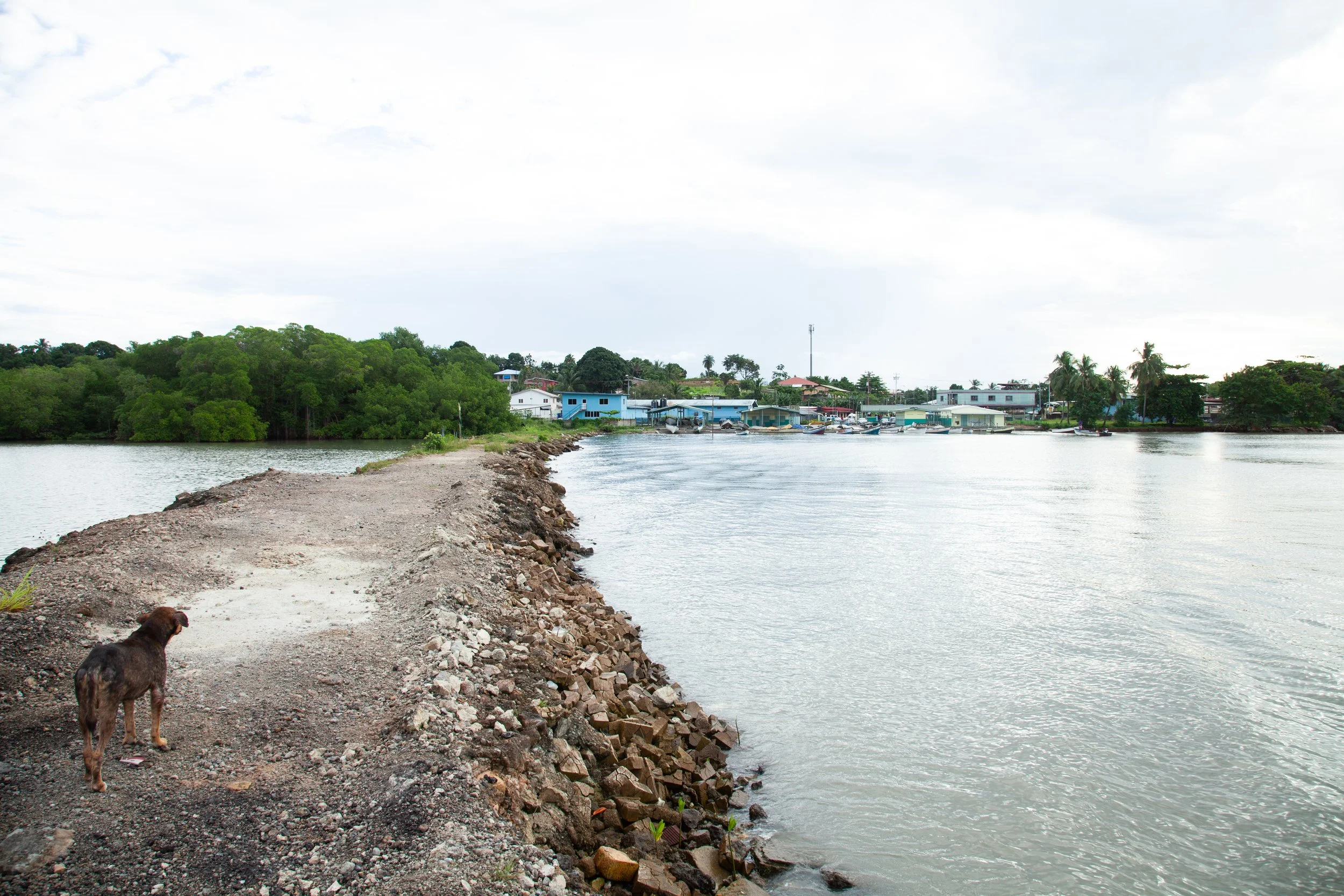
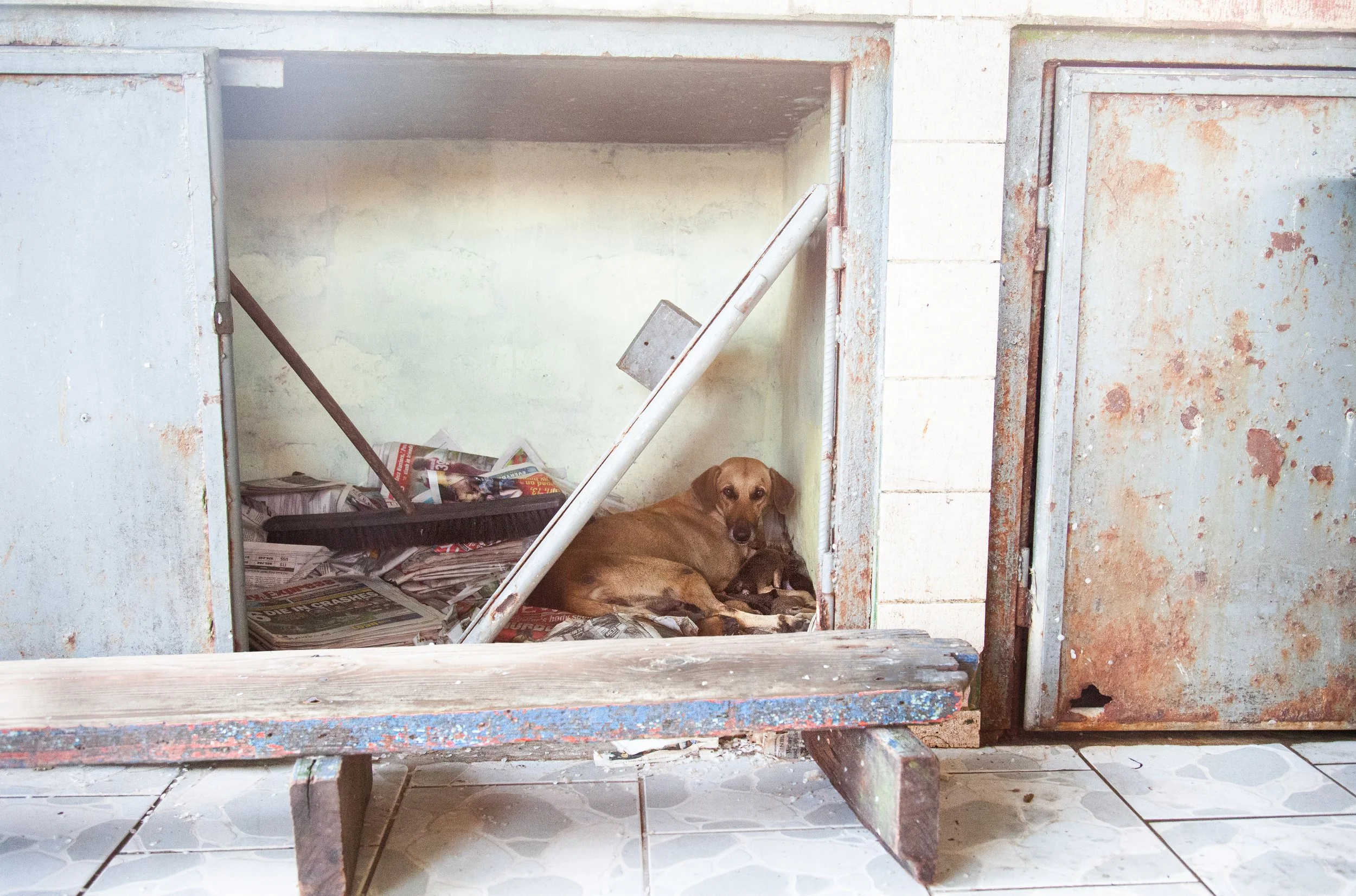
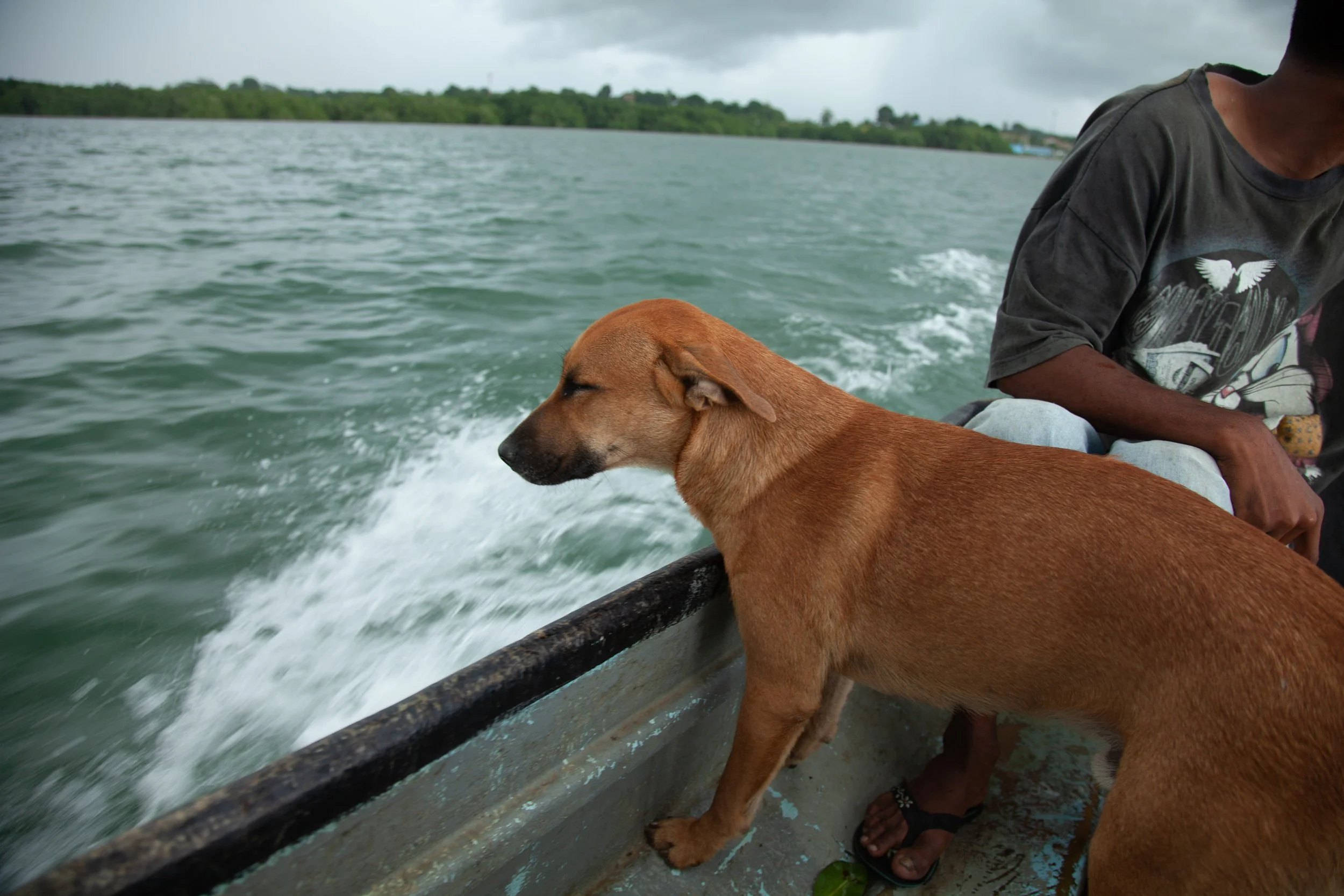
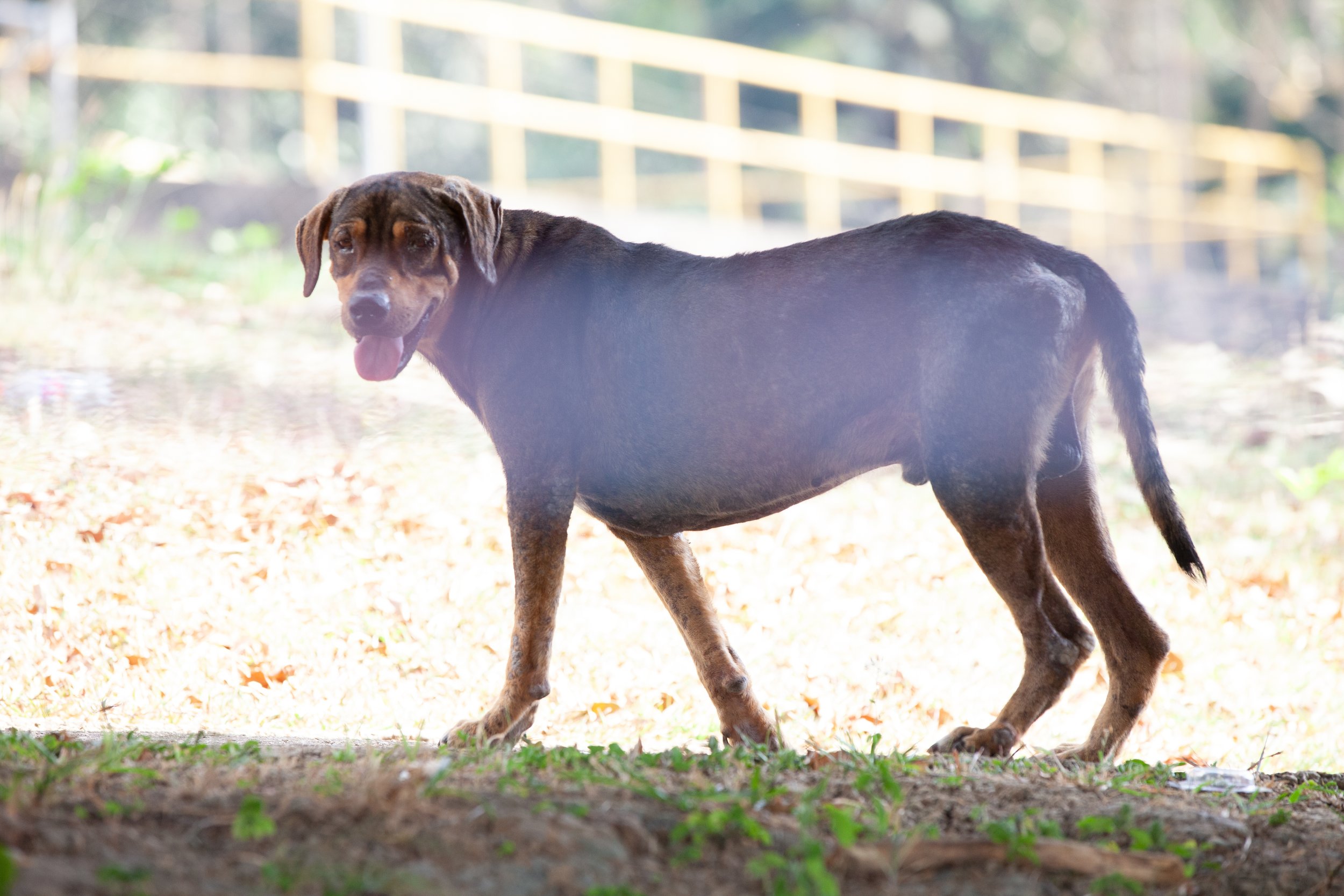
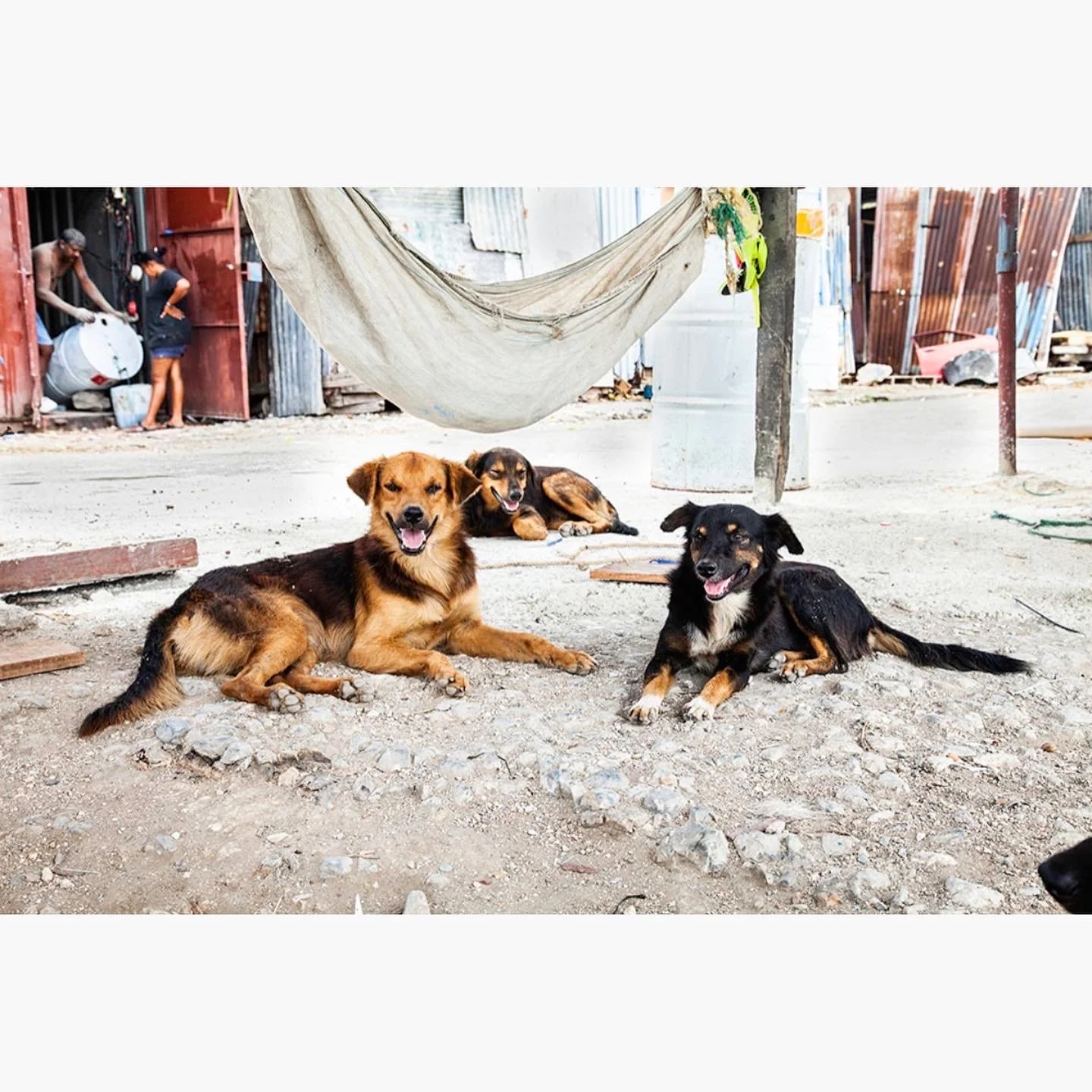
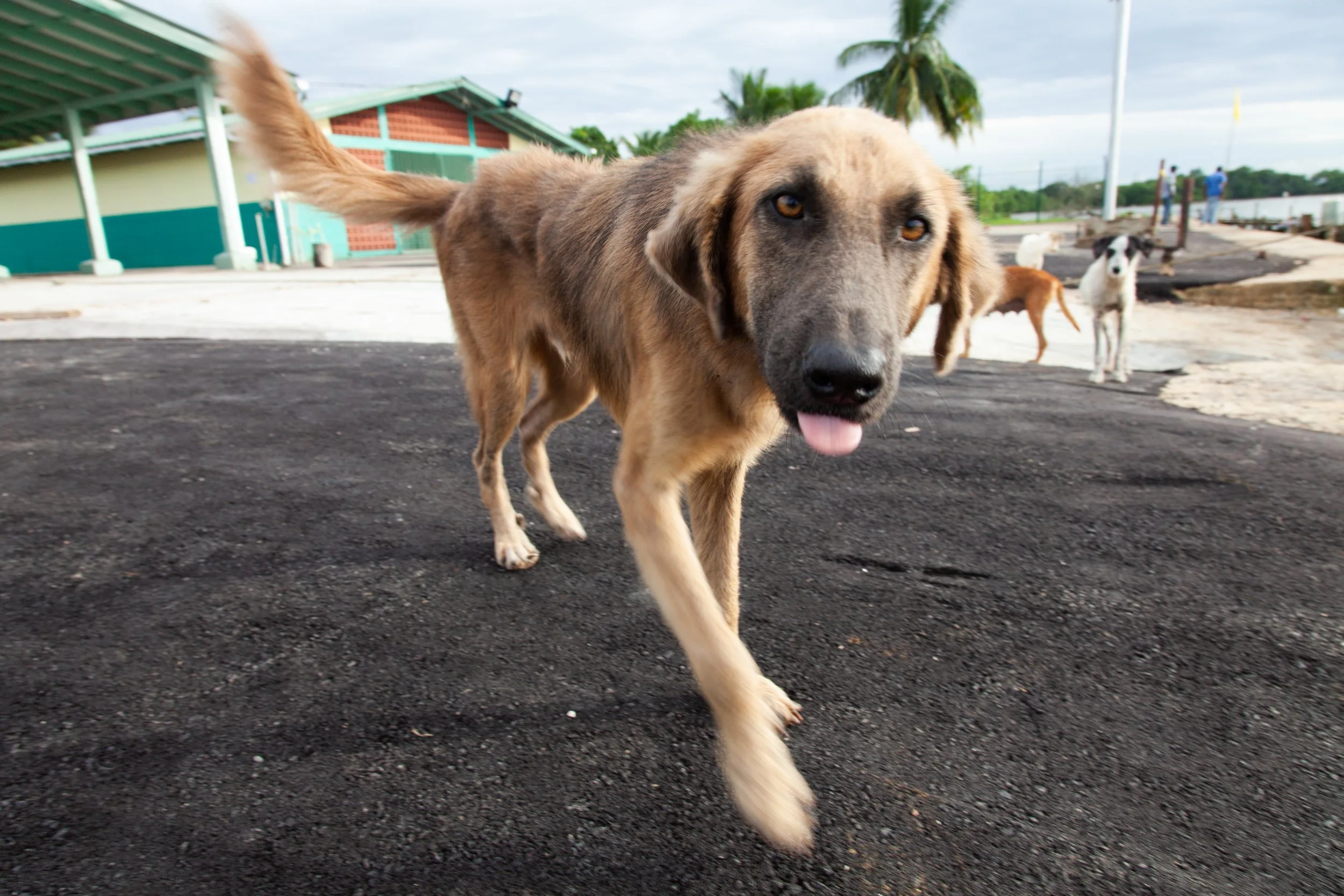
Pothounds: Navigating Trinidad's Stray Dog Dilemma
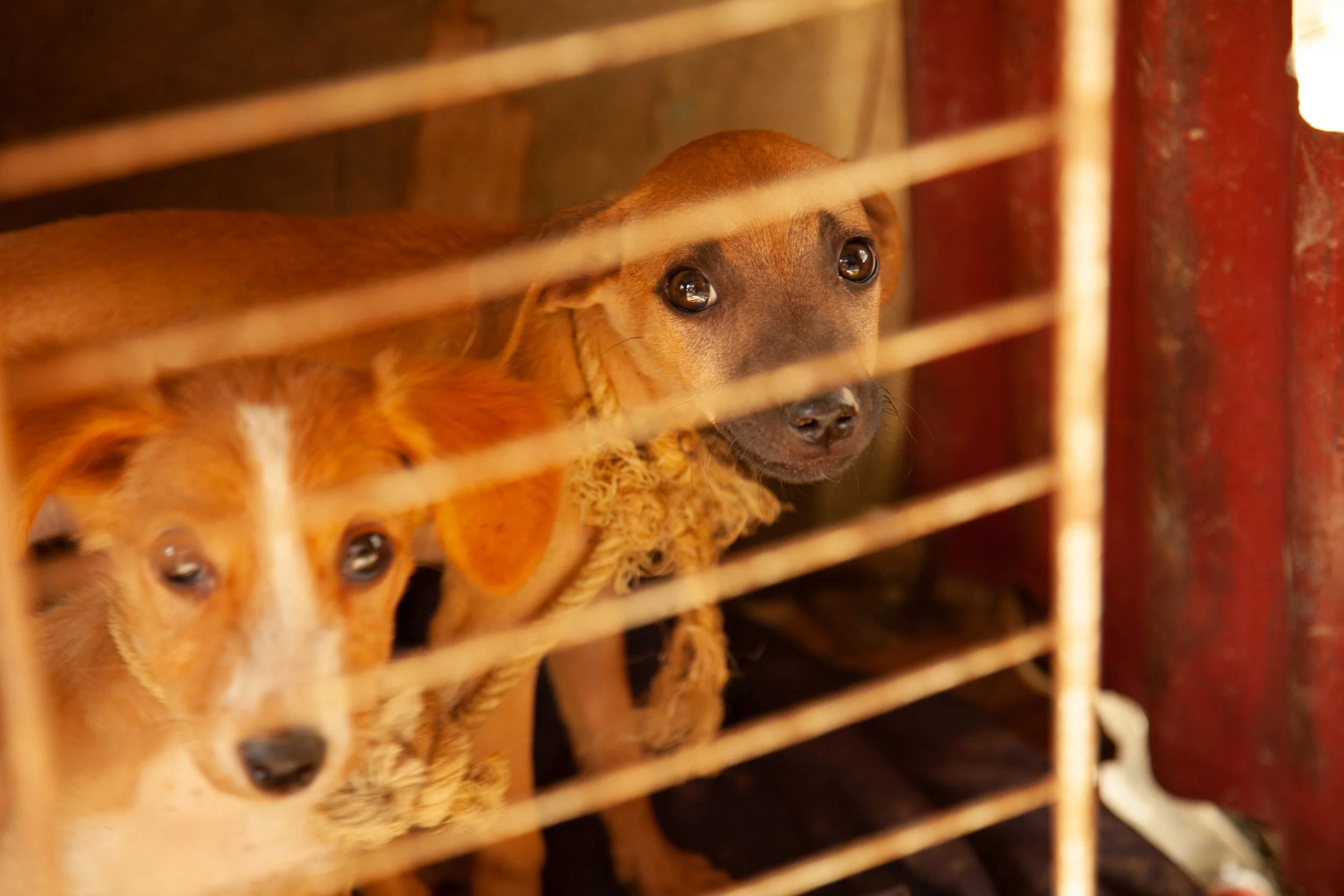
Stray dogs have long been a familiar sight on the streets of Trinidad, and among them, a particular breed has captured hearts for their extraordinary intelligence and survival instincts - the Pothounds. These dogs, known for their ability to navigate urban environments with surprising skill, offer a unique perspective on the enduring issue of stray dogs in the region.
One of the most endearing traits of Pothounds is their tendency to embark on evening walks, often with a social objective. Observers have reported these dogs venturing out in groups, almost as if they're meeting up with their pals for a casual stroll. This behavior not only showcases their social nature but also hints at their sophisticated cognition and communication abilities.
Despite the intelligence and adaptability of Pothounds, the larger issue of stray dogs in Trinidad remains a significant challenge. Stray dog populations have persisted over the years, posing concerns related to health, safety, and overall urban aesthetics. Efforts to address this issue have been ongoing, with numerous organizations working tirelessly to make a positive impact.
The good news is that there are dedicated organizations working to make a difference. These groups are not only focused on providing shelter and medical care to stray dogs but also advocating for spaying and neutering programs to control population growth.
Trinidad & Tobago, 2013 and continued in 2023
Bonds Beyond Words
Bonds Beyond Words
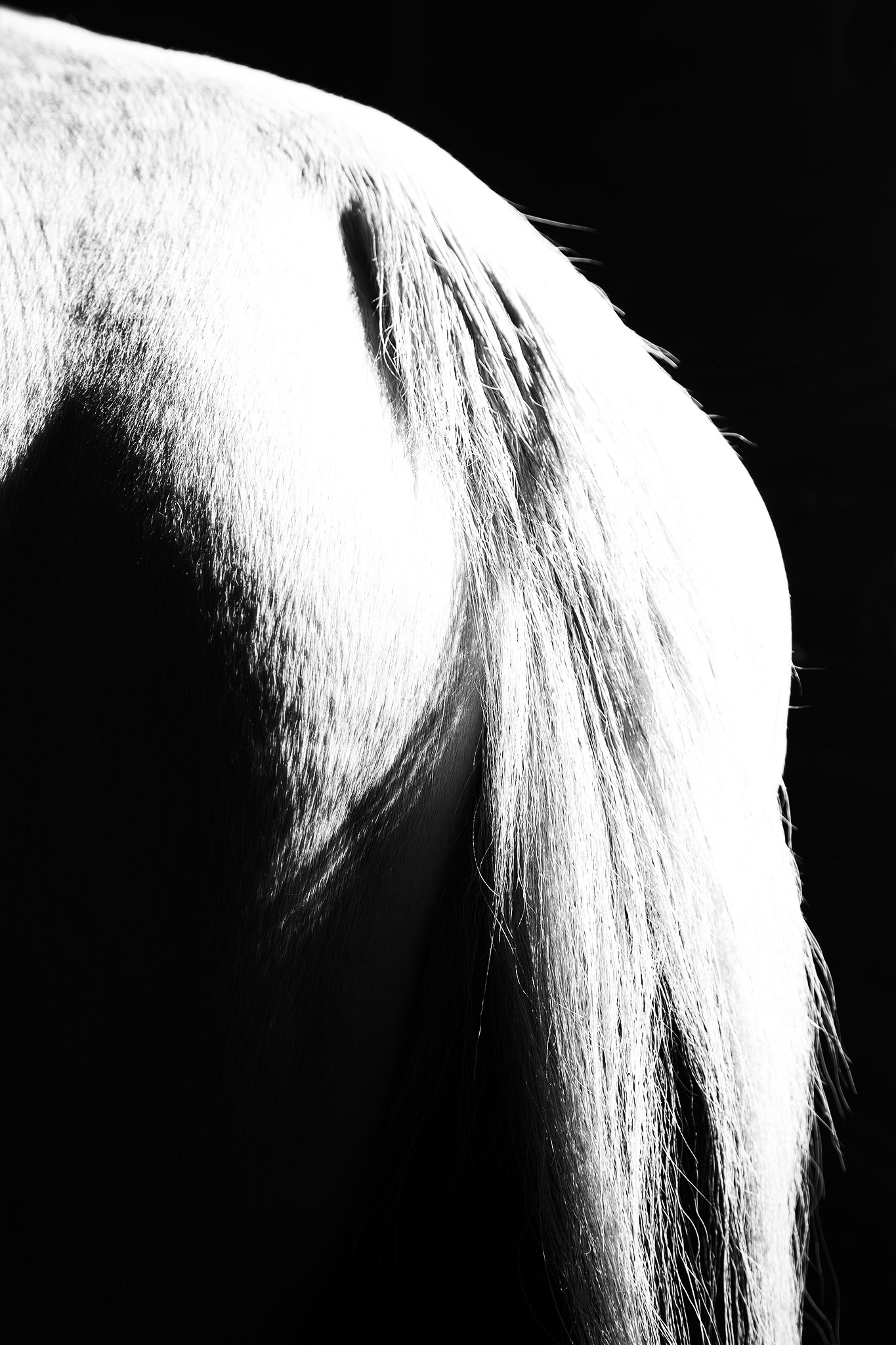
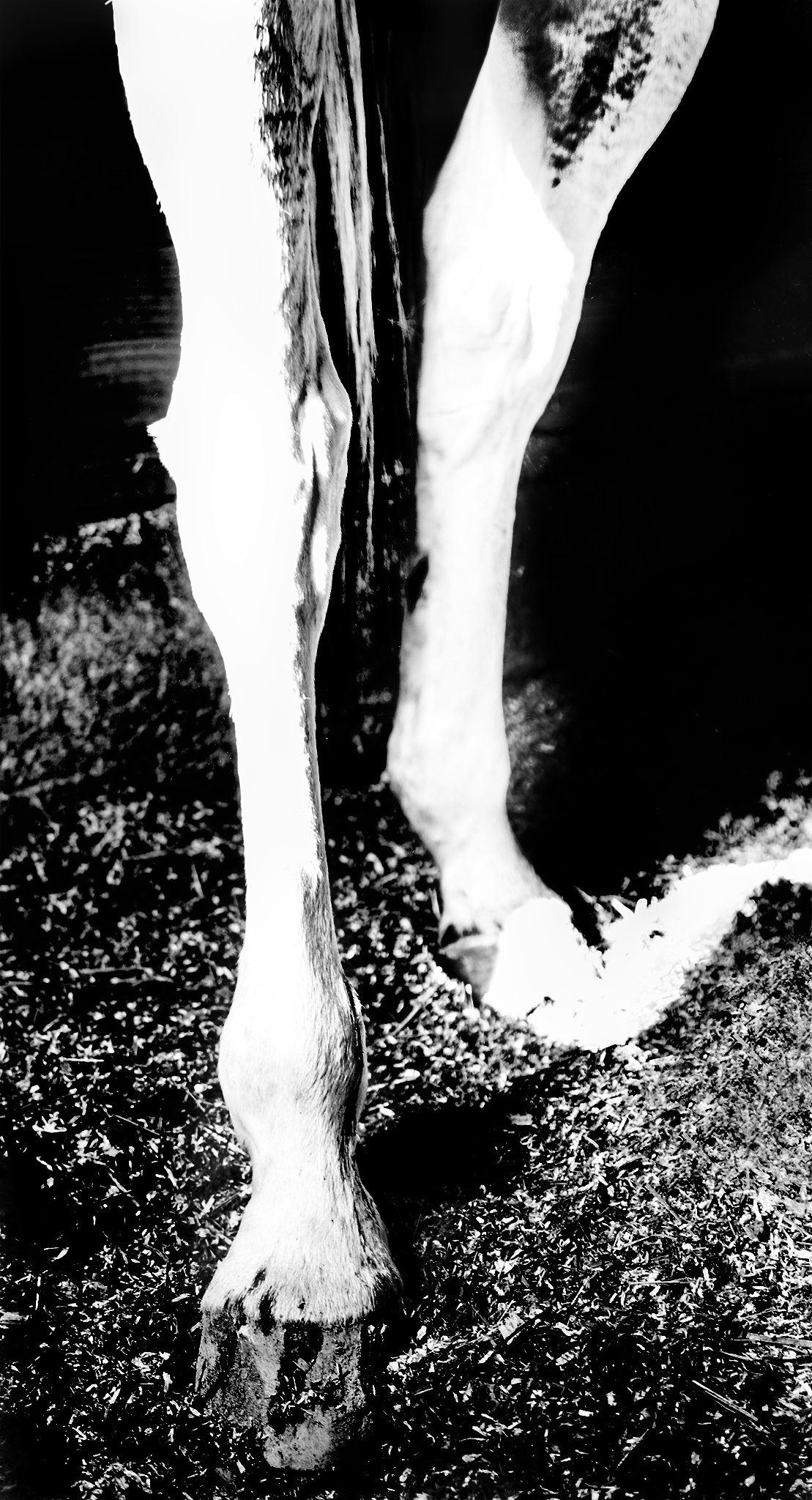
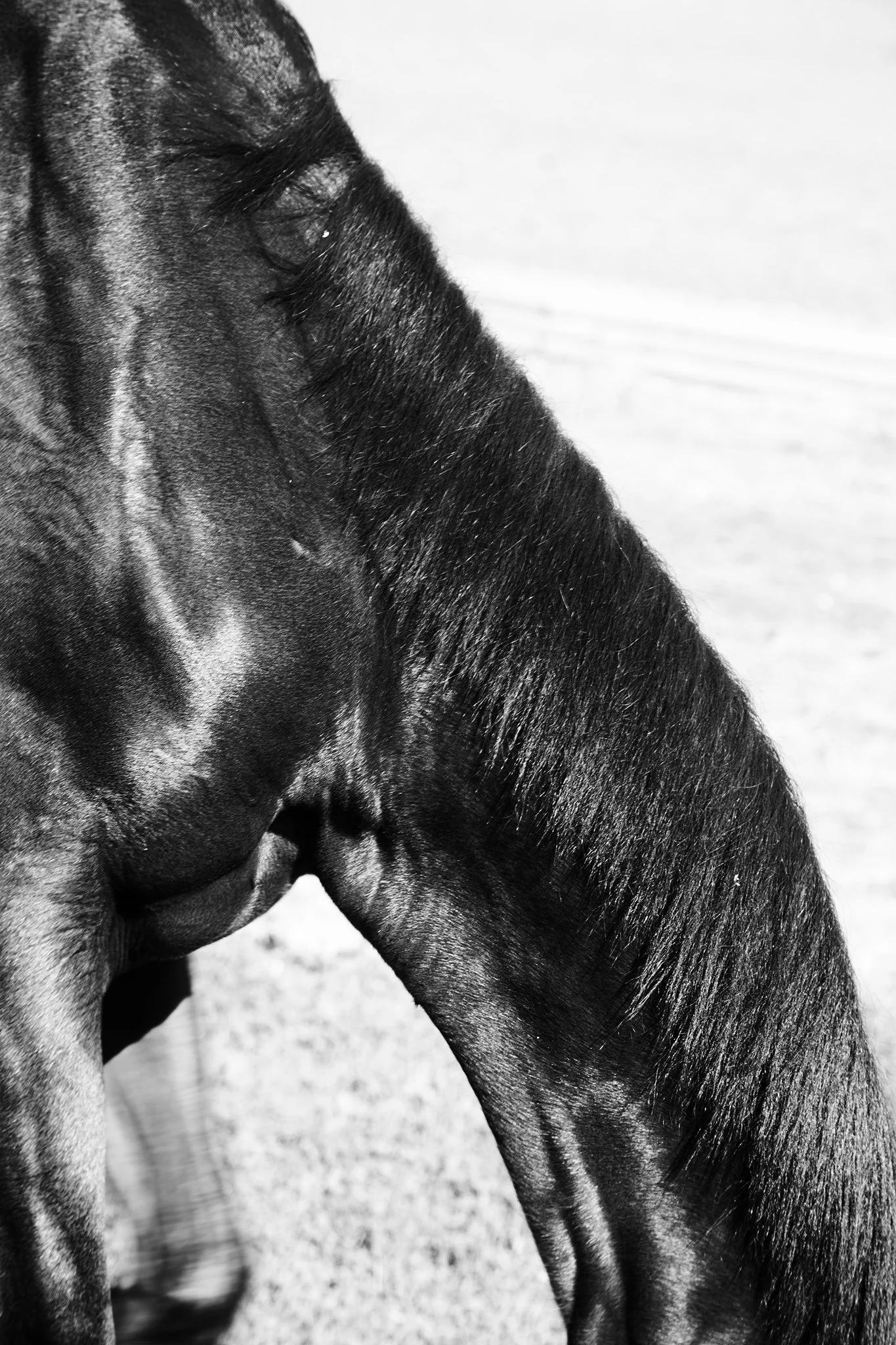
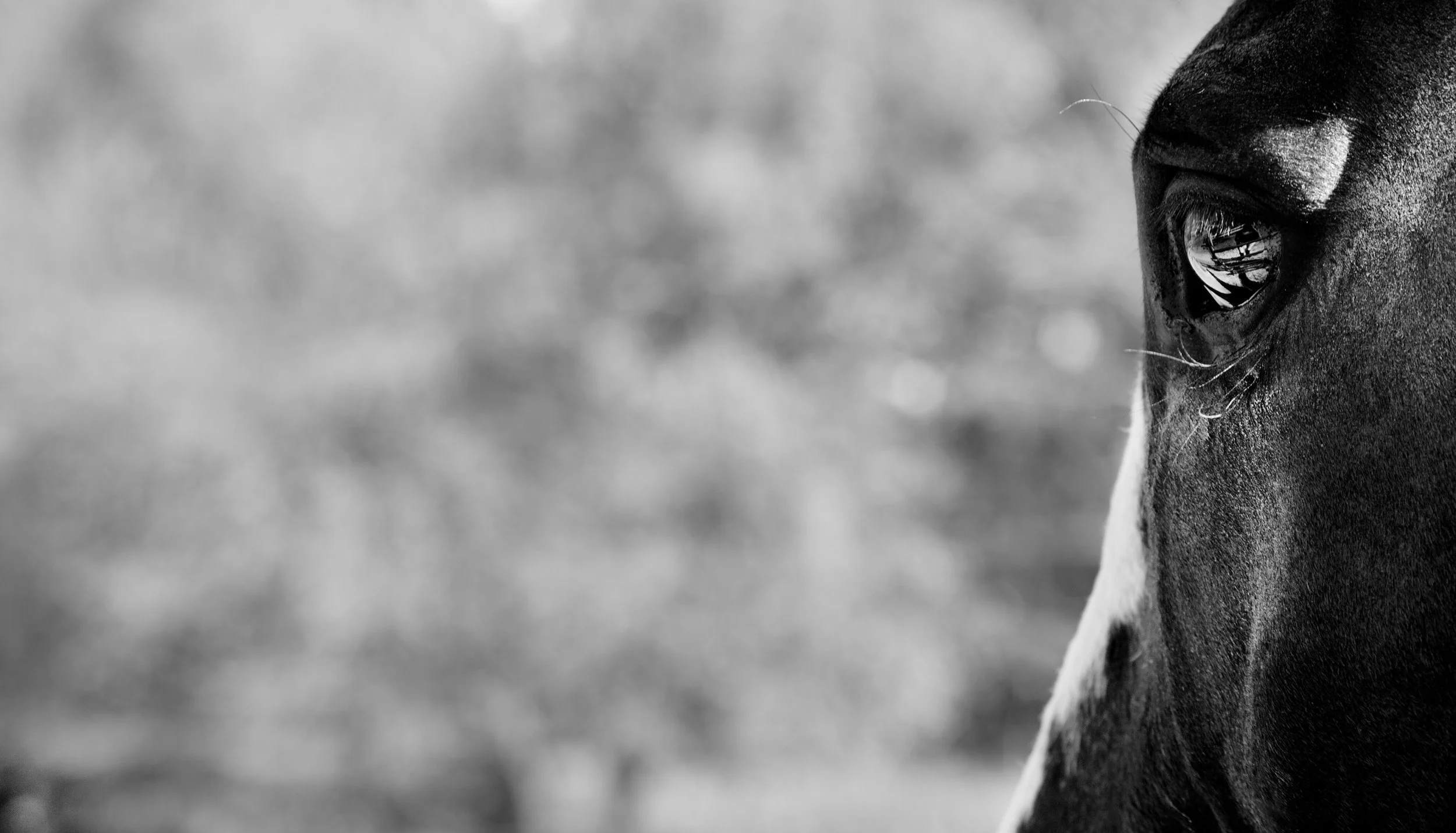
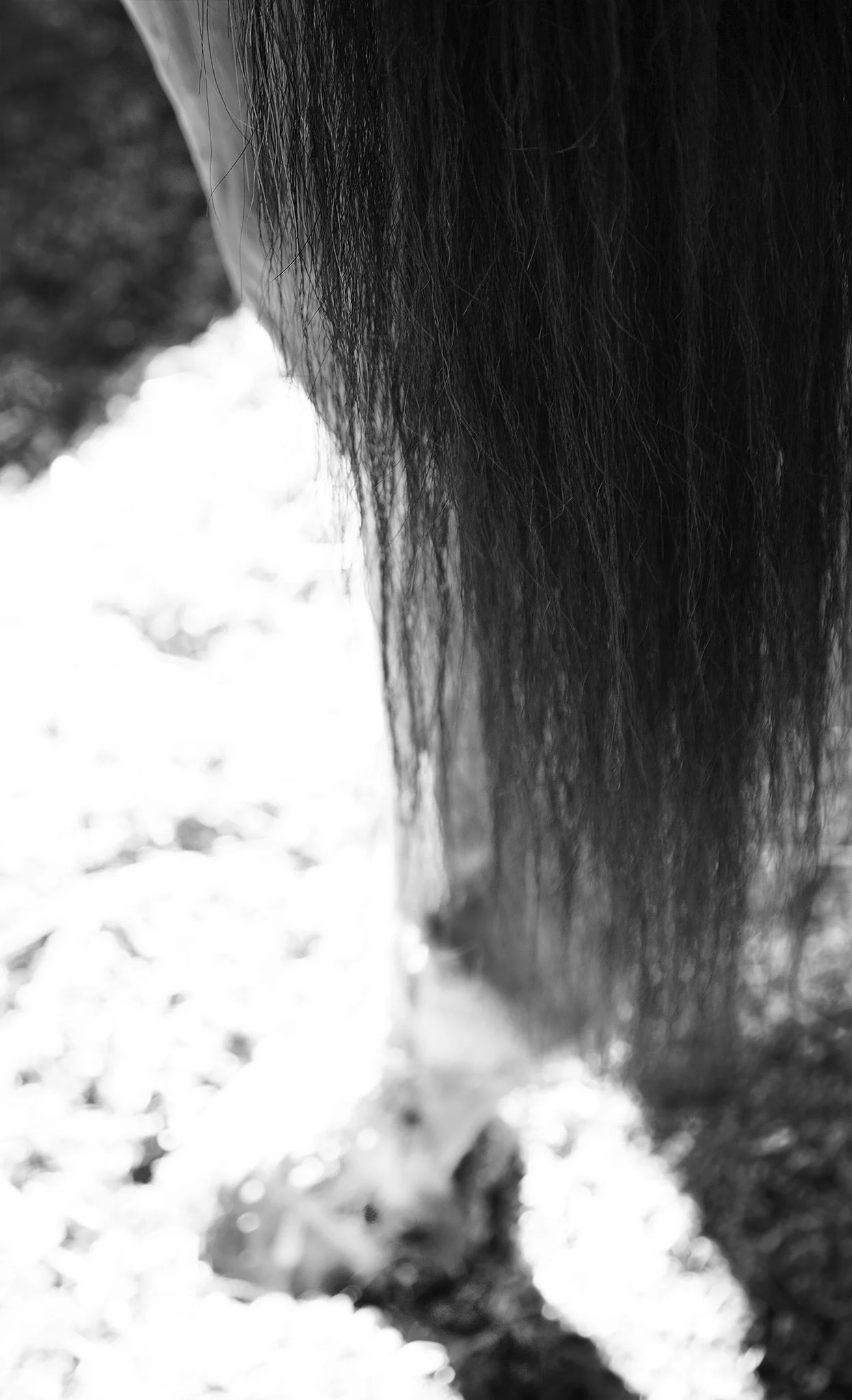
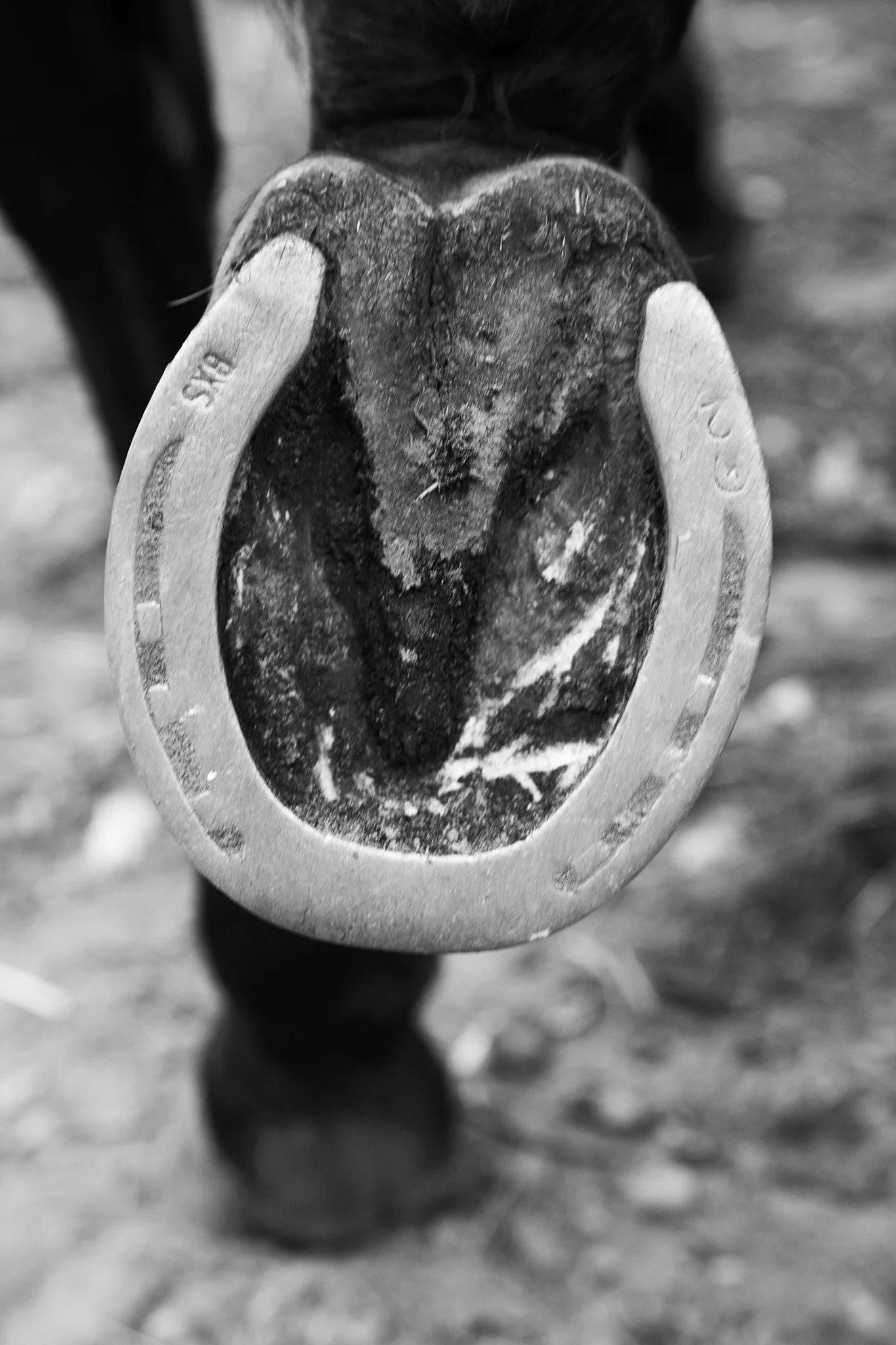
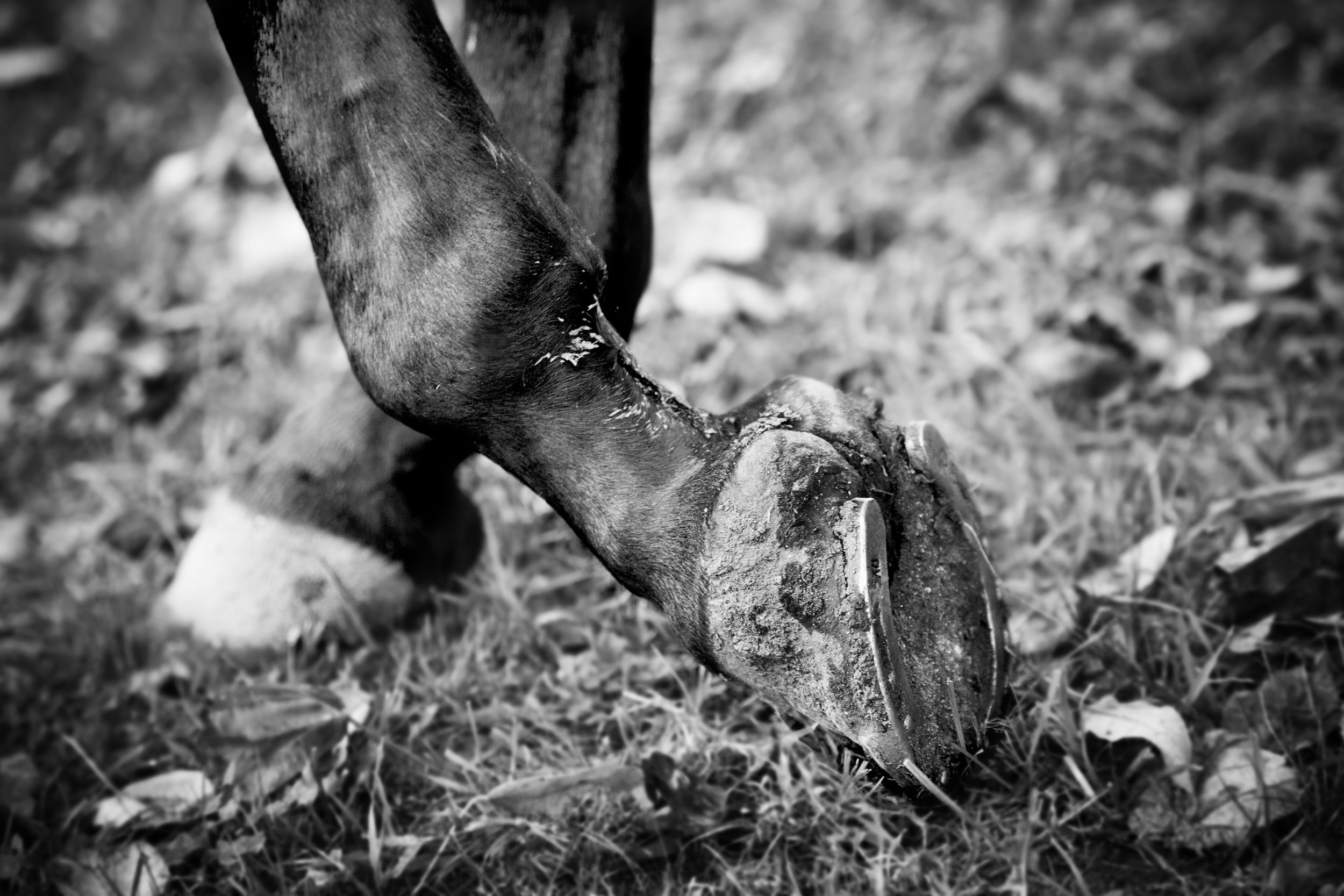
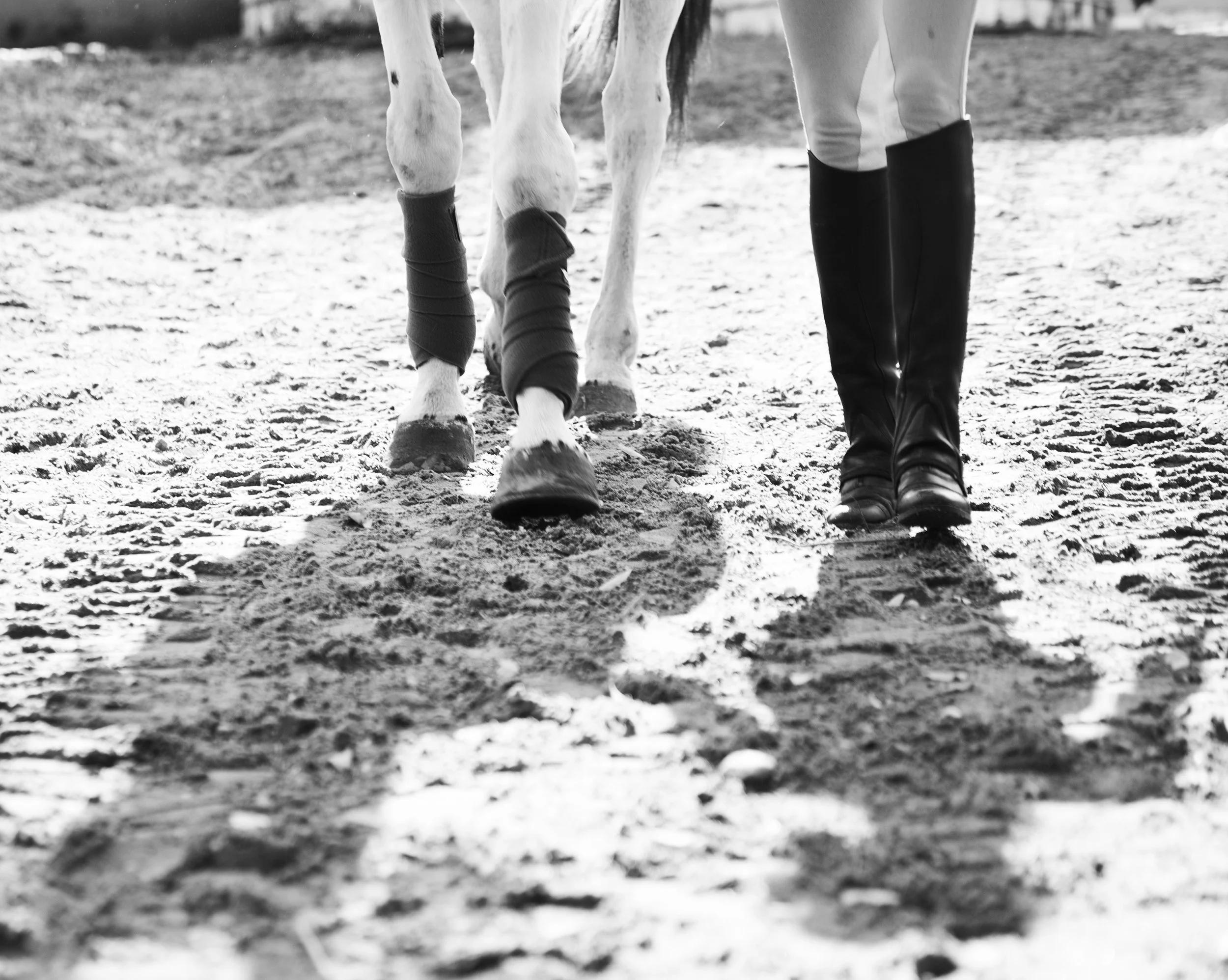
Witness the unspoken connections between humans and horses. These images tell stories of trust, communication, and companionship. From a tender pat to an intimate gaze, the photographs encapsulate the profound relationships that form between these magnificent animals and those who care for them.
One of the most extraordinary aspects of horses is their ability to establish profound connections with humans. Their innate sensitivity allows them to perceive emotions and intentions, forging bonds that transcend language. The trust that develops between a horse and its rider is a testament to their remarkable capacity for empathy and understanding.
Through my photography series, I aimed to encapsulate the myriad stories that horses have to tell. From the playful foals discovering the world around them to the seasoned companions who have shared countless adventures, each horse carries a narrative of its own. Through every click of the shutter, I sought to honor these narratives and convey the emotions they evoke.
My journey to the Long Island stable to document the lives of horses has been a deeply enriching experience. These remarkable creatures embody a harmonious blend of strength, grace, and emotional intelligence. Through my lens, I hope to convey their beauty and essence to the world, sharing the stories of these magnificent beings who have captured my heart.
Long Island 2013
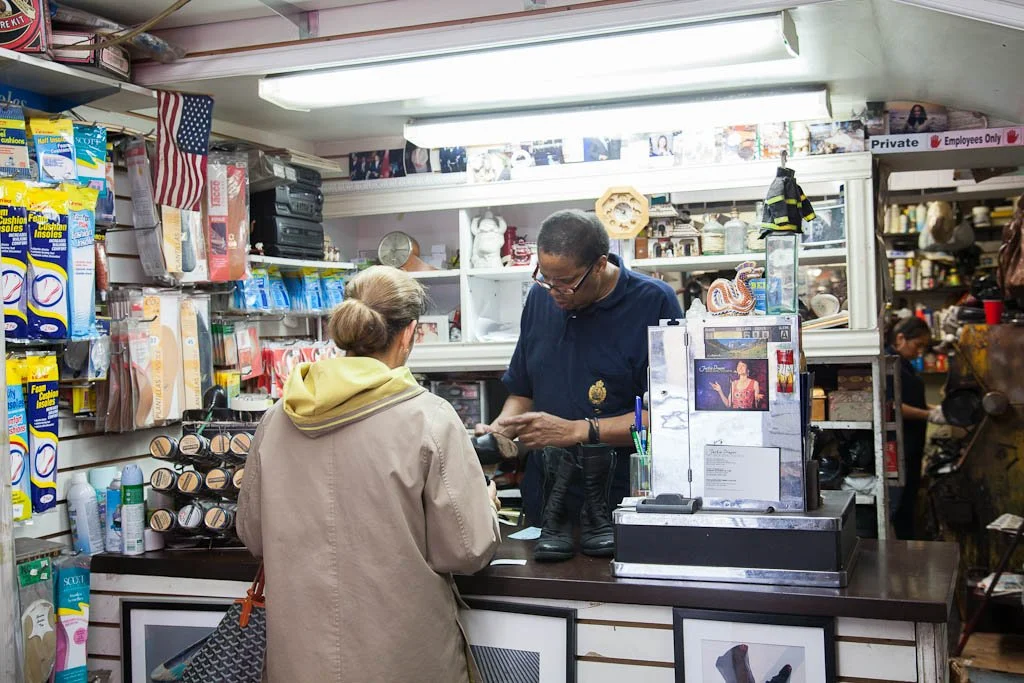
The Cobbler
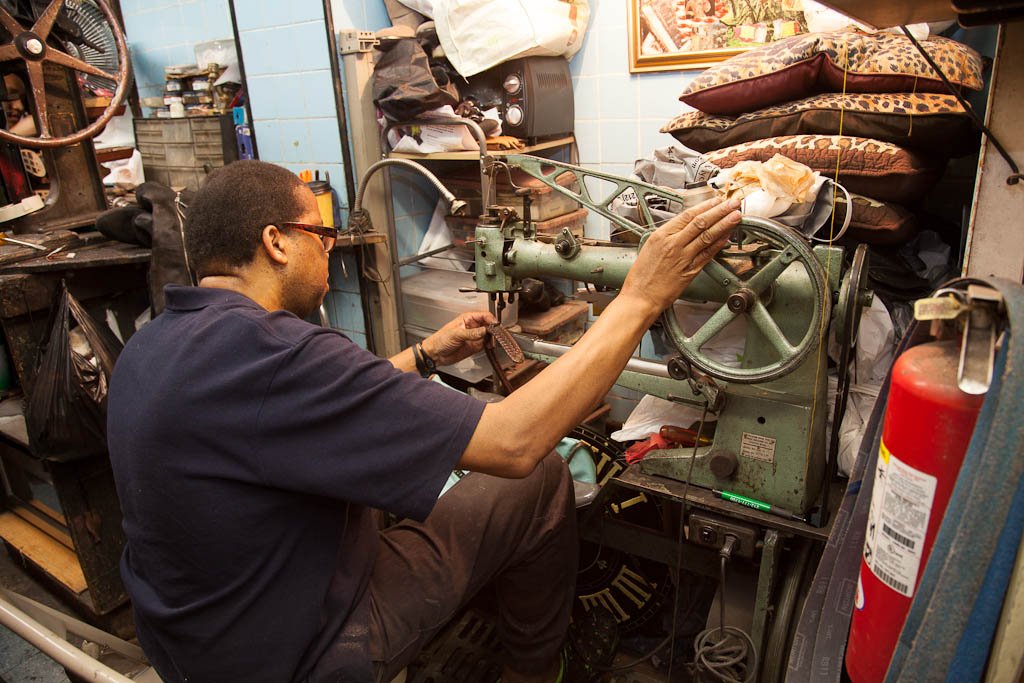
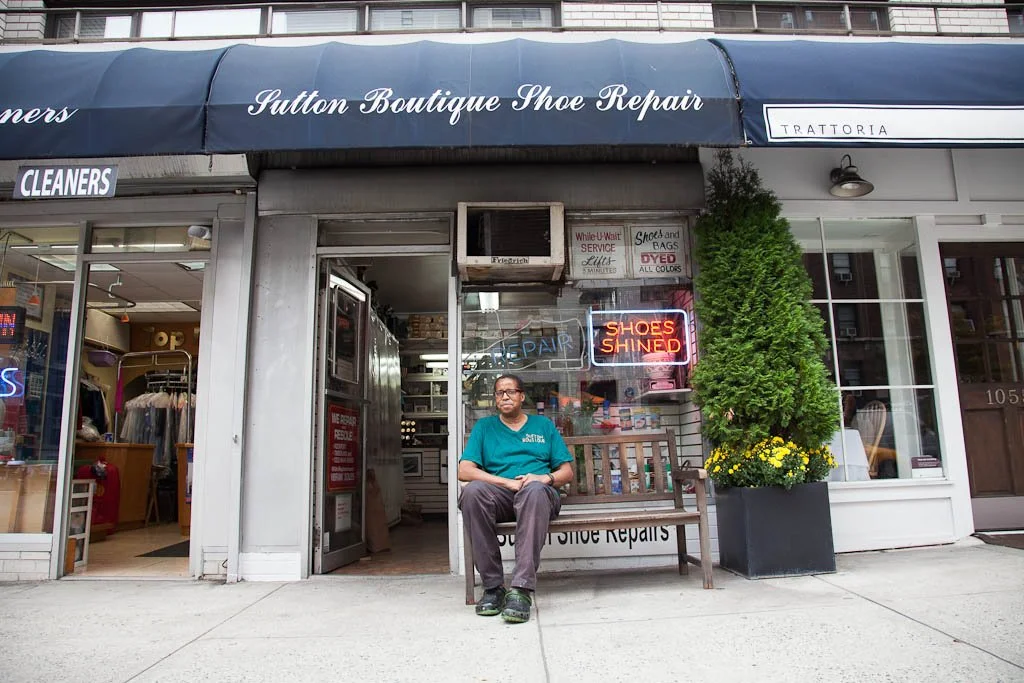
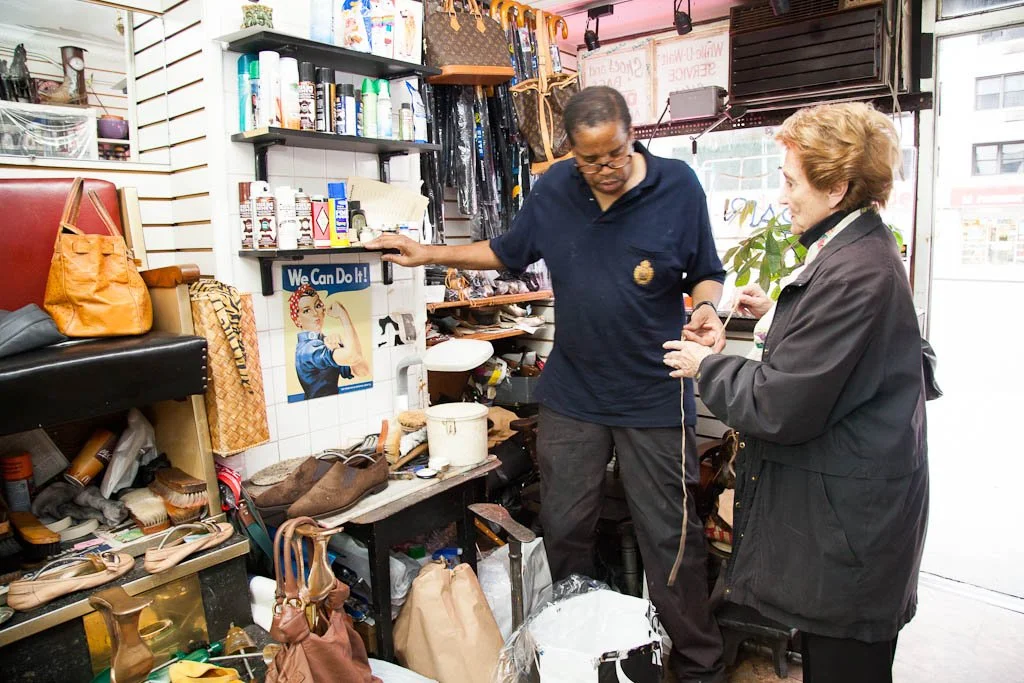
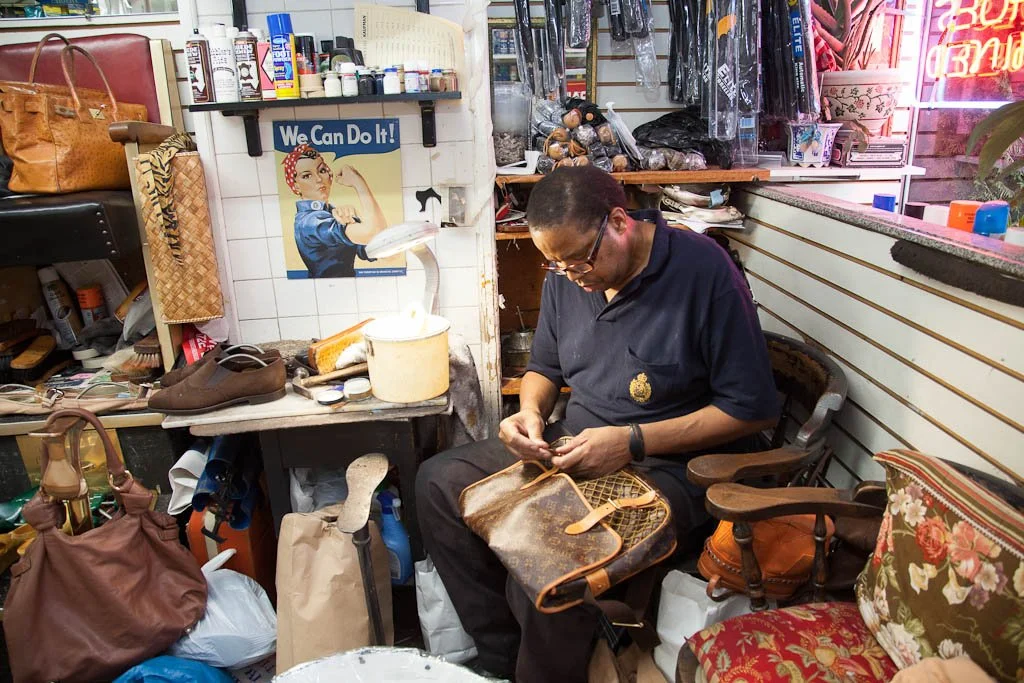
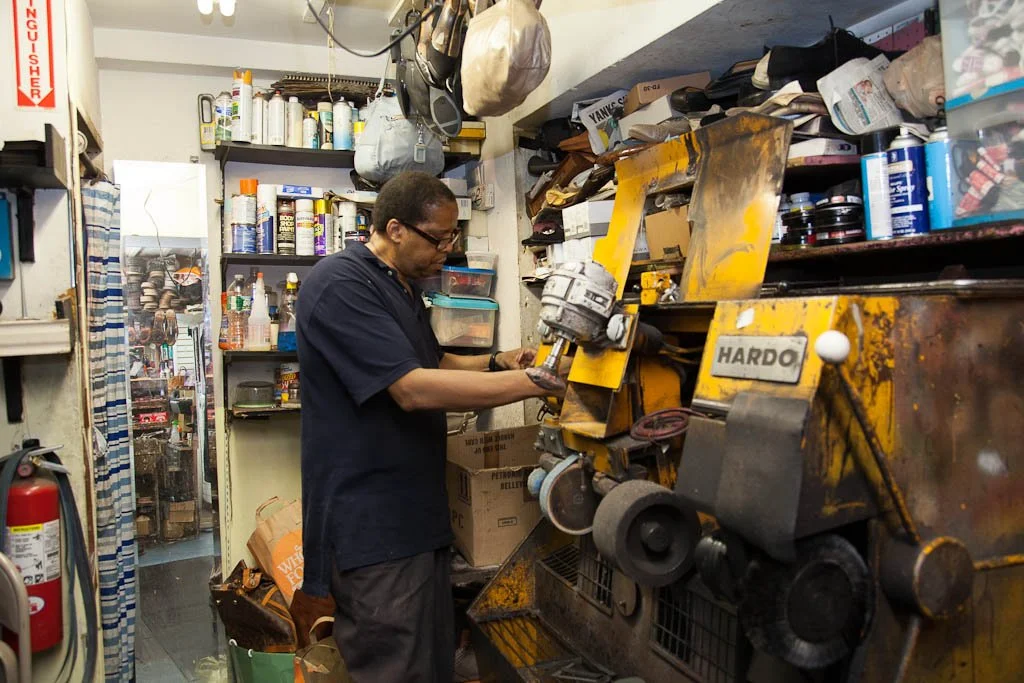
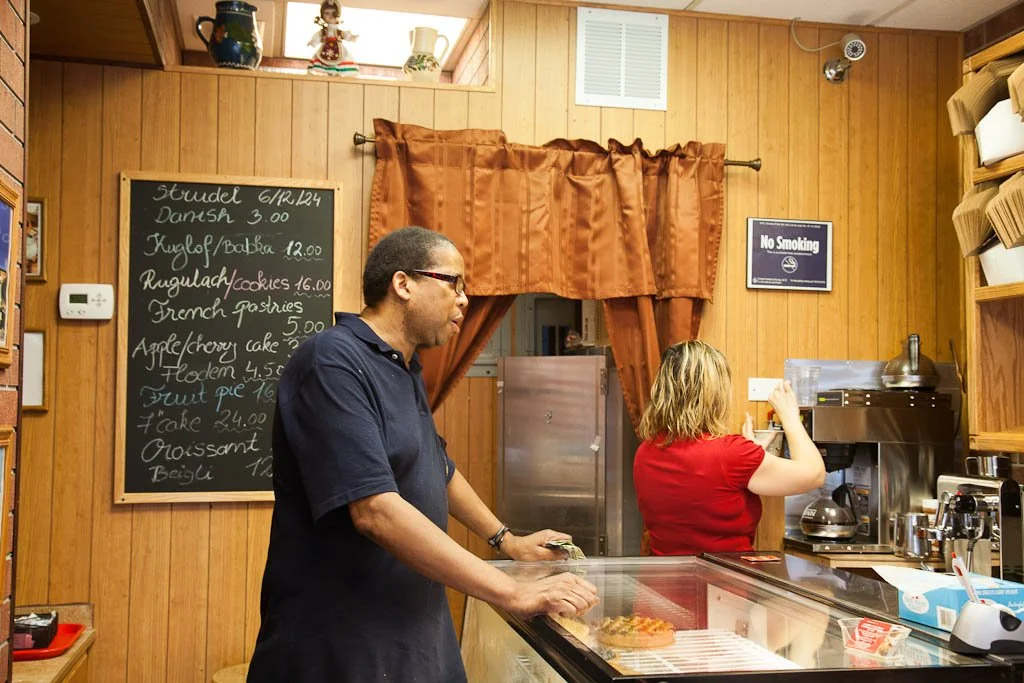
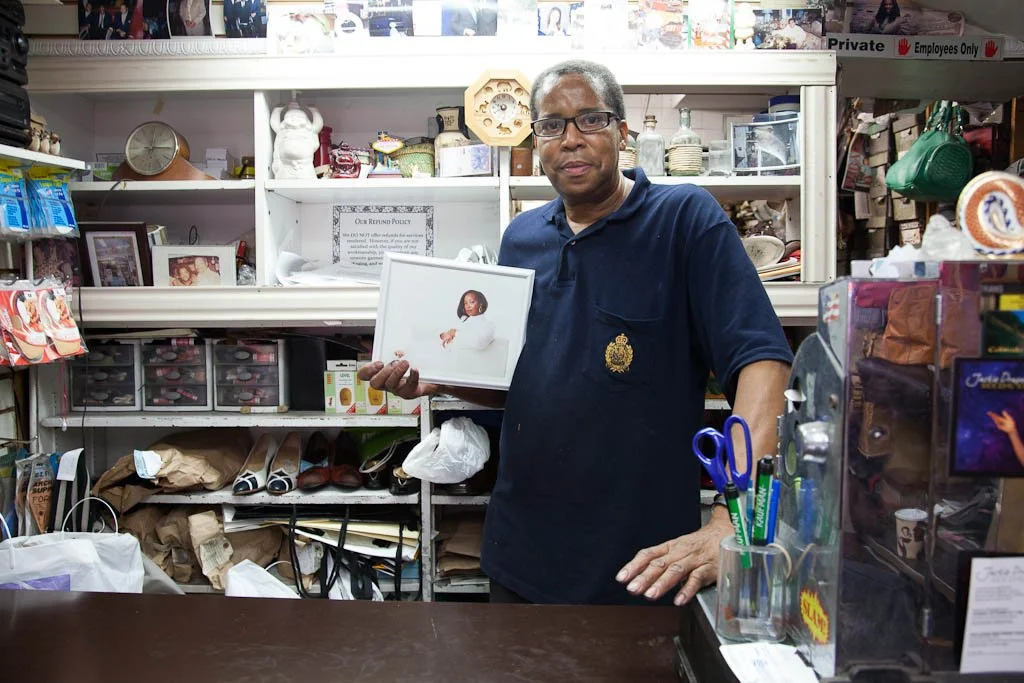
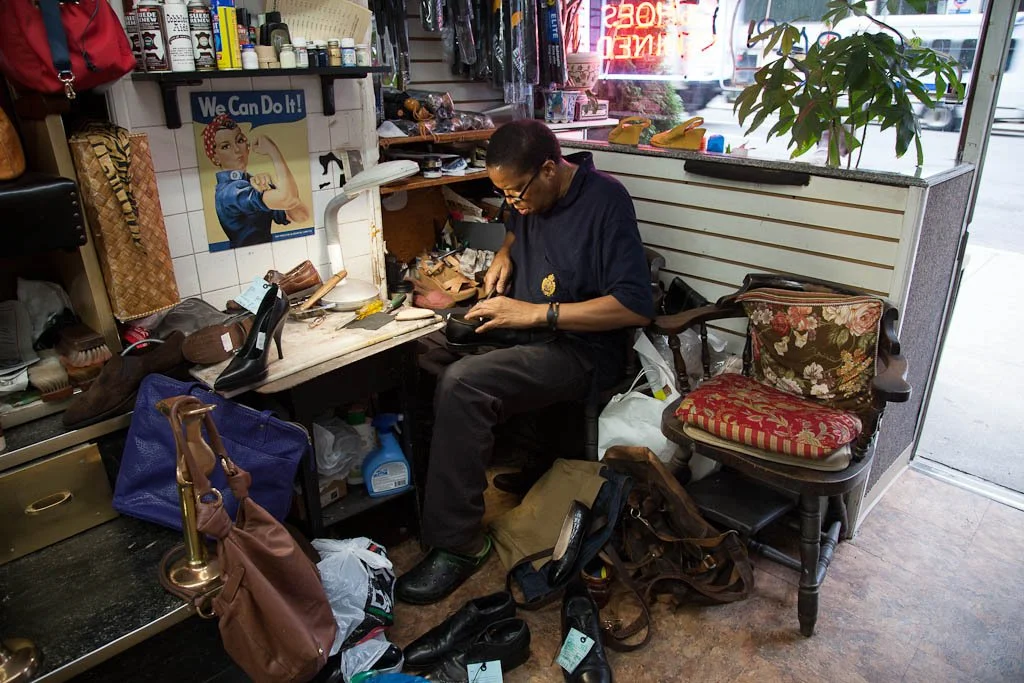
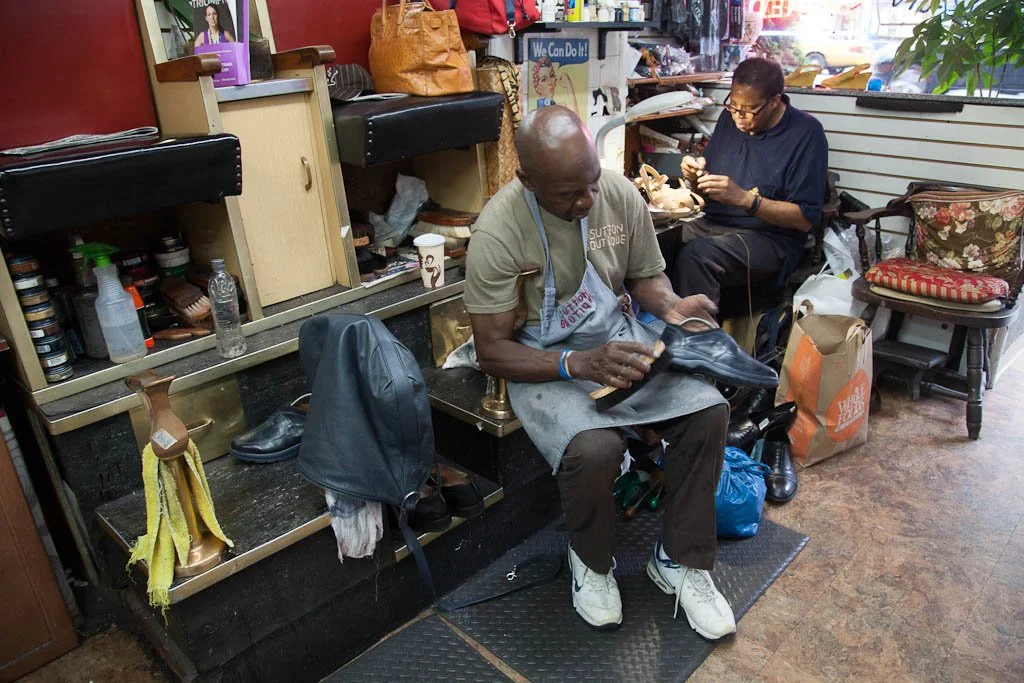
A decade ago, Lenny owned a small shoe repair store on the East Side, precisely at 1st Avenue and 57th Street. Today, the echoes of his skilled hands and the tradition he upheld serve as a reminder of a time when cobblers were an integral part of the urban landscape.
Lenny's shoe repair store was more than just a business; it was a haven for those seeking to preserve their beloved footwear. Whether it was a worn-out pair of heels, a cherished pair of leather boots, or the classic loafers that needed a new lease on life, Lenny had a magic touch. His shop was a place of transformation, where shoes went in shabby and came out looking as good as new.
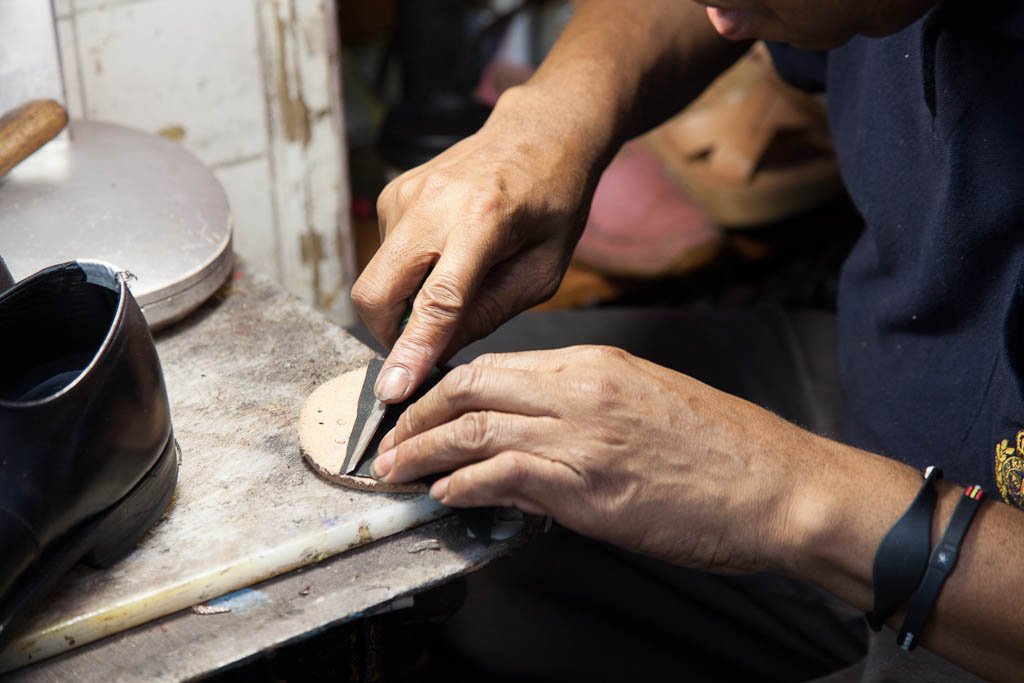
Cobbling is an art that requires a combination of skills that seem to be slipping away from the modern world. It's not just about sticking soles back to shoes or replacing laces. It's about understanding materials, mending them with finesse, and using tools that have stories of their own. Cobblers like Lenny had an innate sense of the materials they worked with, knowing exactly how much pressure to apply, where to stitch, and how to shape the shoe to perfection.
Lenny's dedication to his craft was more than evident in the photograph he held of his daughter. As he carefully showed me the photo, his eyes lit up with pride and a touch of nostalgia.
In a world increasingly dominated by machines, cobbling remained a manual craft that celebrated the human touch. The precision of a cobbler's hand is unparalleled. They could reshape a shoe, stitch a seam, or affix a sole with an attention to detail that no machine could replicate. Each repair was a testament to their dedication and passion for their work.
Manhattan, NYY 2013